
THE VALUA MANIFESTO
THE
SPORTS TOKENIZATION MANIFESTO
Creation of the new investment asset class.
Sport creates value in every country, but very few people can invest in it. Buzzer and Valua are building the data, the structure and the tokenization to change that.
How a sports investment works
Illustrative
The SPV and its rights are set up before any token is offered. What holders receive, and when, follows the offering documents.

1
An investor buys in
An eligible investor buys into a specific sports asset on the platform.
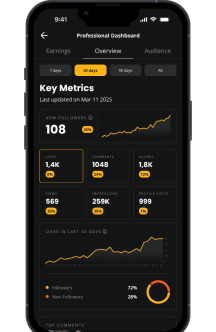
→ receives
2
A digital share
A token records the investor's defined interest, such as a share of the asset's income or value.

→ the interest is held through
3
The SPV
A special purpose vehicle (SPV) holds the company, the asset or a defined right to its income.

→ holds
4
The sports company or asset
For example a club, an academy, a venue or an athlete's income.
Every sport. Every country.
SPORT IS EVERYWHERE.
INVESTING IN IT IS NOT.
People follow sport in every country and across every game. Very few of them can invest in it. Here is what stands in the way, and what we are building.

Tennis

Basketball

Cricket

Rugby

Football

Athletics

Polo

Motorsport

Padel
01
Investing in sport is limited.
It depends on where you live and who you know. How can someone invest in a sports opportunity in Africa if they have no way to reach it? And how can they check that the information is accurate, and that nobody is misleading them?
02
It is not properly structured.
Sports data exists, but it is often fragmented, expensive and hard for smaller organizations to reach. Everyone uses different systems and standards, so claims are hard to compare or verify. Scandals and misleading information have made transparency a major issue.
03
We are building a data engine.
It will map sports activity, from clubs and athletes to performance and operations, and structure it so it can be traced and checked. Then investors get the chance to invest in a defined right, such as a share of a sports asset's income.
04
Tokenization is borderless.
With the data and infrastructure in place, these opportunities can reach people wherever they are, where the law allows.
01 · THE PROBLEM
RWA TOKENIZATION UTILITY
Most solutions only tokenize ownership, while the underlying real-world asset remains disconnected from live operations, governance, revenue streams, and utility.
Without supporting infrastructure, tokenized assets remain disconnected from the underlying real-world assets, and lack transparency, liquidity and utility.
This lack of integration and liquidity is preventing RWA tokenization from scaling in a meaningful way.
THE MARKET
HOW BIG IS TOKENIZATION,
AND HOW FAST IS IT MOVING?
The tokenization of assets is moving from pilot to production. It already works well inside systems that were structured to begin with, like banks, bond markets and funds.
Every figure below links to its source. They are estimates, not promises.
TOKENIZATION IS ALREADY HAPPENING
$40B+
Real-world assets distributed on public blockchains, excluding stablecoins, as of 10 November 2026. Up from about $26 billion in March 2026.
Source: RWA.xyz, November 2026 · PYMNTS, March 2026
About $2T
McKinsey's base case for tokenized financial assets by 2030, not counting cash and deposits.
Source: McKinsey, July 2024
$16.1T
The BCG and ADDX projection for tokenized illiquid assets, such as property and private markets, by 2030.
Source: BCG and ADDX, September 2022
$30.1T
Standard Chartered's forecast for tokenized real-world assets by 2034.
Source: Standard Chartered, June 2024
Bank infrastructure

$7B+ a day
J.P. Morgan's blockchain platform, Kinexys, handles more than $7 billion in transactions on an average day, and over $4 trillion since launch. That is activity on its network, not the value of tokenized assets.
Source: J.P. Morgan, June 2026
Funds

$1B+
BlackRock's tokenized Treasury fund, BUIDL, became the first tokenized fund from a Wall Street firm to pass $1 billion in assets, in March 2025.
Source: The Block, March 2025
Government bonds

HK$10B
Hong Kong's government priced about HK$10 billion of digital green bonds in November 2025, issued on HSBC's tokenization platform, Orion.
Source: HKMA, November 2025
BUT SPORT NEEDS MORE THAN A TOKEN
Why it works there.
Deposits, bonds and funds already sit inside established legal frameworks, with ownership records, reporting systems and market infrastructure. Tokenization can improve how they are issued, transferred and settled, without building the structure from scratch.
That is why McKinsey expects cash and deposits, bonds, funds and loans to lead tokenization this decade. They already have scale and face fewer technical and regulatory hurdles.
Source: McKinsey, June 2024
Why sport is different.
Sports assets could form a new investment asset class, but tokenization alone cannot create it. Before anyone can invest, someone has to establish what the asset or right is, who holds it, what it is worth, whether its numbers are reliable and what the investor actually gets.
IOSCO, the global body of securities regulators, says tokenization adoption is still limited and points to legal uncertainty and gaps in market infrastructure.
Source: IOSCO, November 2025
Tokenization is one part of the solution. Reliable data and proper structures are the rest.
Forecasts differ so much because they count different things. Treat them as a range of possibilities, not a prediction.
Figures come from the organizations named above. Valua does not control them. Dates show when each was published or measured.
WHY IT IS CLOSED
WHY DOES SPORTS FINANCE STAY
CLOSED TO MOST PEOPLE?
Sport has a transparency problem. Hidden ownership, cross-border money and information nobody can check make it hard to know what sits behind an investment. Nobody should put money in without knowing whether the numbers are real.
01
Hidden ownership and money laundering risk.
Take European football. Club ownership is often complex and hard to trace, and regulators see club takeovers, transfers and sponsorship deals as routes for dirty money. The EU will bring professional clubs and agents under its anti-money laundering rules from July 2029.
Source: eucrim, June 2026
02
Data you cannot check.
Sports data exists, but much of it is expensive, scattered and out of reach for smaller clubs, leagues and academies. In European football, club accounts do not even follow a single EU standard. Without good information, nobody can value an organization or check its financial claims.
Source: eucrim, June 2026
03
Fan tokens stop at engagement.
Most fan tokens offer perks and votes, not a defined economic interest in the club or the asset behind it.
How Buzzer and Valua solve it
Buzzer connects sports activity. Valua makes it investable.
Buzzer is the sports infrastructure. Buzzer Fan is the social layer where fans, athletes, clubs and academies meet. Buzzer Intelligence is the operating and data layer: workflows, reporting, performance data, talent discovery and operational tools, turned into structured, measurable information.
Valua is building the tokenization and investment infrastructure on top: issuer onboarding, valuation and structuring, token issuance, wallets and governance, treasury and payouts, reporting and compliance.
Together, that gives eligible investors a real chance to invest in specific sports assets. Depending on the asset and the rights granted, holders of a sports asset token could benefit from a rise in the token's market value or receive income distributions, including dividends where the legal structure provides for them. Selling a token depends on it being transferable and on a market existing. Neither return is guaranteed. Sports asset tokens are separate from the BUZZER coin, Buzzer's utility token.
02 · THE GAP
WHY IS SO MUCH VALUE IN SPORT HARD TO SHARE?
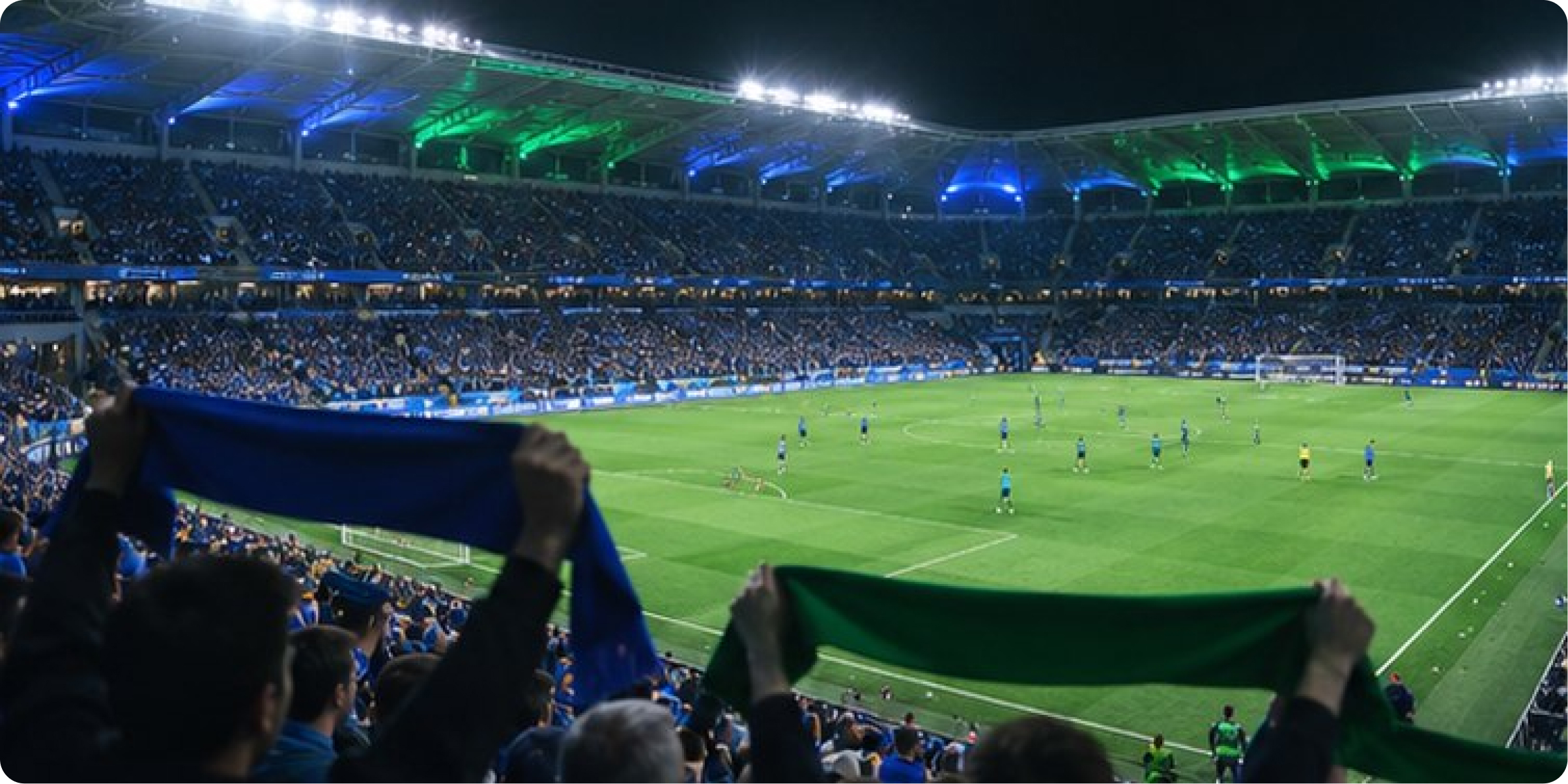
Sport is a huge market that most people cannot get into. The money is real, but it sits with a small circle of owners, funds and banks. Everyone else watches from the stands.
The money is there.
The world's 50 most valuable sports teams are worth more than $353 billion combined, across American football, basketball, soccer, baseball and Formula 1.
Private equity is moving in fast. PitchBook counted 71 deals in pro sports teams and leagues worth $18.45 billion by the end of 2025. In 2014, it was 13 deals worth $1.9 billion.
Source: Forbes, December 2025 · PitchBook via Fortune, July 2026
Where does the value in sport sit?
In rights and income: player contracts and development rights, venue operations, sponsorship and brand deals, media rights, academy income and event revenue. Who holds each right differs. A club may own its stadium or lease it, and media rights often sit with a league.
A fan can buy the shirt or the ticket. But for most people, getting a defined stake in the rights and income behind a sports organization is still hard.
Player contracts
Venue operations
Sponsorship
Media rights
Academy income
Event revenue
A different route
With reliable data and proper structures behind it, a defined right in a sports asset can be split into smaller units, so more eligible investors can take part.
Depending on the structure and the rights granted, holders could benefit from a rise in the token's market value or receive income distributions, including dividends where the structure provides for them. Both depend on the asset, the offering terms and whether the token can be sold. Neither is guaranteed.
THE DIRECTION
WHERE IS TOKENIZATION HEADING?
Tokenization started with a few funds and bonds. It is now moving into the systems markets run on. Three shifts matter for sport.

01
From pilots to production.
Large asset managers now run tokenized funds on public blockchains. BlackRock's BUIDL fund is one of the biggest.

02
From side projects to market plumbing.
The infrastructure that settles trades is getting involved. The US clearing house DTCC launched its tokenization service on 28 October 2026, for tokenized versions of eligible Russell 1000 stocks, major index ETFs and US Treasuries held at DTC.
Source: DTCC, October 2026

03
From finance to everyday assets.
The next wave is assets people already care about: property, income streams, media rights and sport. Real use needs more than a token. It needs legal structure, clear rules and a platform people already use.
The question is shifting from whether assets can be tokenized to whether the rights behind the tokens are clear.
THE PLAYERS
WHO IS SHAPING
TOKENIZATION TODAY?
Some of the biggest names in finance and crypto already run tokenized funds and securities. This is a snapshot, not a ranking, and not an endorsement.
Group
Examples
What they do

Asset managers
BlackRock (BUIDL), Franklin Templeton (BENJI), Fidelity (FDIT), Janus Henderson (JQQQ)
Manage tokenized investment products, from Treasury and money market funds to equity index funds. Janus Henderson launched a tokenized Nasdaq-100 fund in October 2026.

Issuance and investor platforms
Specialist platforms and start-ups
Handle issuance, investor onboarding, compliance and marketplaces for tokenized assets.

Stablecoin and payments firms
Circle (USYC), Paxos (PAXG), Tether (XAU₮)
Circle runs a tokenized money market fund. Paxos and Tether issue tokens backed by physical gold.
Market infrastructure
DTCC
Runs a live tokenization service for eligible Russell 1000 stocks, major index ETFs and US Treasuries held at DTC, launched in October 2026.
Custody and wallets
Institutional custody providers
Provide secure custody and treasury tools used by institutions.

Sport and fan engagement
Fan token platforms
Run fan tokens, mostly perks, polls and rewards.
Asset managers
BlackRock (BUIDL), Franklin Templeton (BENJI), Fidelity (FDIT), Janus Henderson (JQQQ)
Manage tokenized investment products, from Treasury and money market funds to equity index funds. Janus Henderson launched a tokenized Nasdaq-100 fund in October 2026.
Issuance and investor platforms
Specialist platforms and start-ups
Handle issuance, investor onboarding, compliance and marketplaces for tokenized assets.
Stablecoin and payments firms
Circle (USYC), Paxos (PAXG), Tether (XAU₮)
Circle runs a tokenized money market fund. Paxos and Tether issue tokens backed by physical gold.
Market infrastructure
DTCC
Runs a live tokenization service for eligible Russell 1000 stocks, major index ETFs and US Treasuries held at DTC, launched in October 2026.
Custody and wallets
Institutional custody providers
Provide secure custody and treasury tools used by institutions.
Sport and fan engagement
Fan token platforms
Run fan tokens, mostly perks, polls and rewards.
Sources: BUIDL · BENJI · FDIT · JQQQ · USYC · PAXG · XAU₮ · DTCC
Most of this activity is built for finance. Sport has fan tokens for engagement and only the first steps toward rights-based ownership. That is the gap Valua is looking at.
Companies are named for information only. No endorsement or partnership is implied.
03 · THE VISION
WHAT IS VALUA'S VISION FOR SPORTS TOKENIZATION BY 2030?
Valua's vision is a sports economy where real economic rights in sports assets can be defined, documented and shared through tokens. That happens under proper legal structures, with regulated participation.
Four principles guide it:

Rights come first.
A token should represent a clearly defined right, written down in plain terms.
Structure matters.
Assets sit in appropriate legal structures, such as a special purpose vehicle (SPV), so the token has something real behind it.

Participation is regulated.
Only eligible investors take part, under the offering terms and the law in their region.

Clarity beats hype.
No promises of returns. Terms, risks and rights are stated openly.
04 · WHO IT HELPS
WHO COULD SPORTS TOKENIZATION HELP?
Three groups could benefit if sports tokenization is done carefully: fans, clubs and academies, and eligible investors. Each gets something different. None gets a guaranteed result.

Fans
A clearer way to take part in the value around the sport they follow, where the rules allow it.


Clubs and academies
A route to growth capital beyond the same few owners, banks and large investors.


Eligible investors
Rights written in plain terms, with the risks stated openly.
05 · THE MECHANICS
HOW DOES ASSET TOKENIZATION WORK?
Tokenization turns a defined right in an asset into digital tokens. The asset is placed in a legal structure, the rights are written down, tokens are issued to eligible investors, and payments follow the documented terms. Here is the illustrative flow.
How to tokenize an asset, step by step.
No jargon needed. Six steps, in order.
01
Identify the asset or income.
A sports organization picks the asset or economic interest, such as a share of income from a defined source.
02
Set up a legal structure.
Often a special purpose vehicle (SPV) holds the asset or the right.
03
Define the rights and terms.
What the token holder is entitled to, for how long, and under what conditions.
04
Issue the tokens.
Each token records one unit of that right on a blockchain.
05
Admit eligible investors.
Participation depends on eligibility, due diligence and the law in the investor's region.
06
Pay out as documented.
Any payment follows what the documents say, not a promise or a market move.
This flow is illustrative. It does not describe a live Valua offering.
A token is only as strong as the rights and legal structure behind it.
What is RWA tokenization?
RWA stands for real-world asset. RWA tokenization is the tokenization of assets that exist outside the blockchain, such as property or income rights, as opposed to assets that only exist digitally. In sport, a stadium, an academy or a media deal would count as real-world assets.
06 · THE EXAMPLE
HOW COULD A SPORTS CLUB USE TOKENIZATION?
HYPOTHETICAL.
Hypothetical example. It is not a real club, a real offering or a Valua product. It only shows how the steps could work.
Academy income
Legal structure (SPV)
Tokens issued
Eligible investors

Take a mid-sized sports club, say in basketball or cricket, that wants to build a new training academy. The club agrees that the academy will earn income from player development fees.
The point: a token is tied to a specific, written right in a specific income source. It is not a share of the whole club, and it does not promise any result.
1 & 2
The club picks that income as the asset and sets up a special purpose vehicle to hold the right to a defined share of it.
3
The documents say exactly what the share is, for how long and how payments are made.
4 & 5
Tokens are issued to represent units of that right. Eligible investors can take part under the offering terms.
6
When the academy earns the defined income, payments follow the documents.
07 · THE FOUNDATIONS
WHAT DOES SPORTS TOKENIZATION
NEED UNDERNEATH IT?
Tokenization only works when the pieces underneath are solid. Valua's approach rests on three layers.
01
Legal structures.
Assets sit in structures such as special purpose vehicles (SPVs), so the rights behind a token are held properly and can be explained.
02
Defined rights.
Every token links to written terms: what it represents, who can hold it and how payments work.
03
Technology.
A blockchain records who holds what. The platform handles issuance, eligibility and payouts.
Valua works alongside Buzzer, the sports platform where fans, athletes and clubs already meet. Buzzer connects sports activity. Valua makes it investable.
08 · THE LIMITS
WHAT CAN TOKENIZATION NOT PROMISE?
Tokenization does not guarantee returns, fix a price or make an asset safe. It records defined rights, and those rights are only as good as the documents, the legal structure and the business behind them. Availability can also depend on where you live.

No promised returns.
Any payment follows the documented rights and terms.
No price promises.
Token prices can fall as well as rise. Any income distribution follows the documents.

Not open to everyone.
Only eligible investors take part, under the offering terms and the law in their region.

Plans can change.
The roadmap describes intentions, not commitments.
09 · THE ROAD
WHAT DOES THE ROAD
AHEAD LOOK LIKE?
Sequencing is the strategy. Each phase is gated by the evidence of the last, so ownership goes live only after the platform is stable and revenue is proven.
Foundation
A stable platform and proven revenue before any token launch: the core platform, advertising, Arena, user growth, and compliance and regulatory readiness.
Tokenization
The ownership layer goes live once the product is ready: the Buzzer Coin launch, athlete and club tokenization, a trading marketplace, and wallets, custody and compliance.
Expansion
Organizations, academies and structured entities, new ways to take part, and the first real-world asset pilots beyond sport.
RWA at scale
Many asset classes on one platform, from sport to companies and real estate, built for regulators and institutions, in more markets.
Nothing can be offered before the required approvals are in place. The roadmap describes intentions, not commitments. Plans may change, and nothing here guarantees that any asset or product will launch.
10 · QUESTIONS
Sports tokenization FAQs
What is sports tokenization?
Sports tokenization is the idea of representing a defined economic right in a sports asset as a digital token on a blockchain. It lets a right be divided into smaller units and shared with eligible participants under clear legal terms.
What is asset tokenization?
Asset tokenization is the process of representing rights in an asset as digital tokens on a blockchain. The token does not replace the asset. It records who holds which defined right.
What is RWA tokenization?
RWA means real-world asset. RWA tokenization is the tokenization of assets that exist outside the blockchain, such as property or income rights, as opposed to assets that only exist digitally.
How does tokenization work?
The asset or economic interest is identified, placed in a legal structure such as an SPV, and the rights are defined. Tokens are then issued to eligible investors under the offering terms, and payments follow the documented rights.
How do you tokenize an asset?
In six steps: identify the asset, set up a legal structure, define the rights, issue the tokens, admit eligible investors and pay out as documented. The full flow is above. It is illustrative and not a live offering.
What is an SPV?
A special purpose vehicle is a separate legal entity created to hold a specific asset or right. In tokenization it keeps the asset apart from the rest of the business, so the token has something clearly defined behind it.
Is a sports token the same as a fan token?
Not necessarily. Fan tokens usually focus on perks and voting. The tokenization in this manifesto is about defined economic rights under legal structures. Fan token platforms and rights-based tokenization can exist side by side.
Is the BUZZER coin the same as a sports asset token?
No. BUZZER is Buzzer's utility token, designed to be used for fees across the Buzzer and Valua ecosystem. Its launch is planned for the 2027 tokenization phase. A sports asset token records a defined right in a specific sports asset, such as a share of its income. BUZZER does not give a share in any sports asset.
Is this an investment offer?
No. This page is a vision and an explanation. It is not an offer of any token or security, and it is not financial or legal advice.
Who can take part in tokenized offerings?
Eligible investors, under the offering terms and the law in their region.
Does tokenization guarantee returns?
No. Any payment follows the documented rights and terms. Nothing about tokenization guarantees a return, and investments carry risk.
When will this happen?
In phases, from 2026 to 2029 and beyond. Each phase starts only when the last one has proven itself. The roadmap on this page shows the plan.
How big is the tokenization market?
Estimates vary. RWA.xyz counted more than $40 billion of real-world assets distributed on public blockchains in November 2026, excluding stablecoins. Forecasts for 2030 run from about $2 trillion (McKinsey, 2024) to $16.1 trillion (BCG and ADDX, 2022), and Standard Chartered forecasts $30.1 trillion by 2034. They count different things, so treat them as a range.
Who else is tokenizing real-world assets?
Many large firms, including asset managers such as BlackRock and Franklin Templeton, specialist issuance platforms and market infrastructure providers such as DTCC, which launched a tokenization service in October 2026. Most of this work is in finance. See the players table above.
Why sport?
Sport creates a lot of value and has fans who care deeply, but access to that value is narrow. Clubs and academies often rely on the same few sources of capital. Tokenization is one way that could change, if it is done with clear rights and proper legal structures.

11 · WHAT WE BELIEVE
WHAT DOES VALUA BELIEVE ABOUT THE FUTURE OF SPORT?
Sport belongs to the people who love it. By 2030, we believe the value around sport should be easier to understand, easier to document and open to more of them. It should be built on real rights, proper structures and honest terms.
We believe
a token should stand for something written down.
We believe
structure comes before scale.
We believe
access should be wider, and rules should stay clear.
We believe
sport can show how it is done, and we intend to build it carefully.
This page is for information only. It describes a vision and a framework, not an offer, solicitation or recommendation to buy or sell any token, security or other financial product. It is not financial, investment, legal or tax advice. Digital assets and investments carry risk, including the loss of everything invested. Examples are hypothetical. Plans described may change or may not happen. Availability may depend on where you live. Market figures come from third parties, are estimates, and are dated where shown. Companies named are mentioned for information only.