


Buzzer Social Media Platform FZCO
Sheikh Rashid Tower, Floor 04,
Premises 407-FZF 131,
Dubai, United Arab Emirates
+971 58 296 9368





TL;DR: There's no fixed qualification path to becoming a football scout, but a strong football background, analytical skills, and a real network matter more than any single certificate. Courses through the FA, UEFA, and the Professional Football Scouts Association can accelerate the process, but they're not the only way in.
Wanting to become a scout usually starts the same way for most people: years of watching football closely enough that spotting talent starts to feel like something you're actually good at.
A scout identifies and evaluates players, watching live matches and game footage, then writes up findings for a club's coaching staff to act on. It's less glamorous than it sounds, most of the job is travel, note-taking, and repetition, not discovering the next global superstar every weekend.
Reports typically cover a player's strengths, weaknesses, tactical awareness, and overall potential, and clubs expect them structured and objective, not written as a fan's opinion.
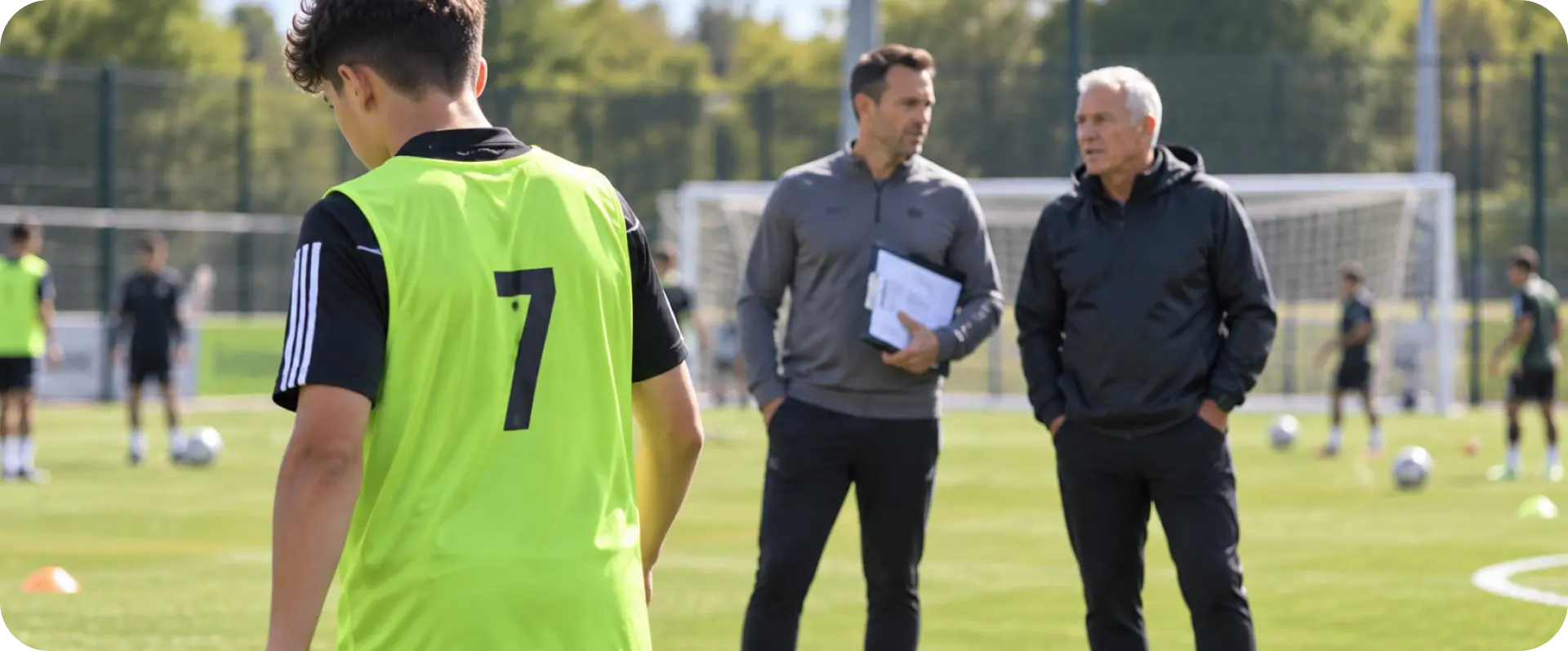
No single certificate is required, but structured courses exist and genuinely help. The FA runs a five-level talent identification pathway, FIFA, UEFA and other national associations offer their own programs, and the Professional Football Scouts Association runs dedicated scouting courses.
None of these substitute for actually knowing the game. Deep football knowledge built through years of playing, coaching, or closely following the sport still matters more than any single qualification on paper.
Four things come up across nearly every guide on the subject: analytical thinking, networking ability, communication skills, and objectivity. Building relationships with coaches, agents, and other scouts opens doors that qualifications alone don't.
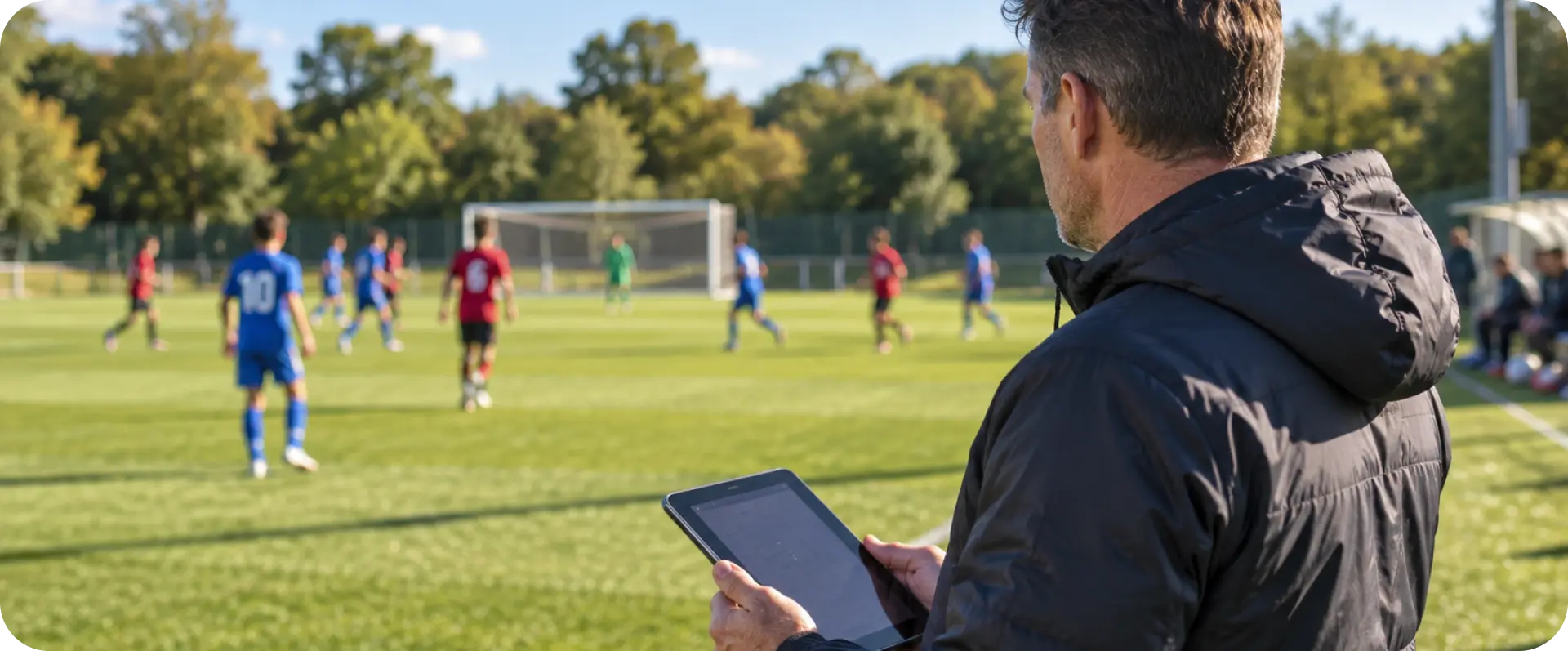
Objectivity is the one people underestimate. A scout who lets bias creep into a report, favoring a certain playing style or overrating a player they personally like, produces reports clubs stop trusting.
Strengths, weaknesses, tactical fit, and a clear recommendation, structured the way a specific club expects it. Every club tends to use its own template, so part of the job is learning what a given employer actually wants to see on the page, not writing the same generic report everywhere.
Start local. Volunteering with local teams, watching as many matches as possible across different levels, and attending scouting events or coaching clinics builds both the eye and the network you'll need before anyone pays you to do this.
Most scouts don't start at a major club. They start by being useful and visible at a smaller one, then move up as their reports prove reliable over time.
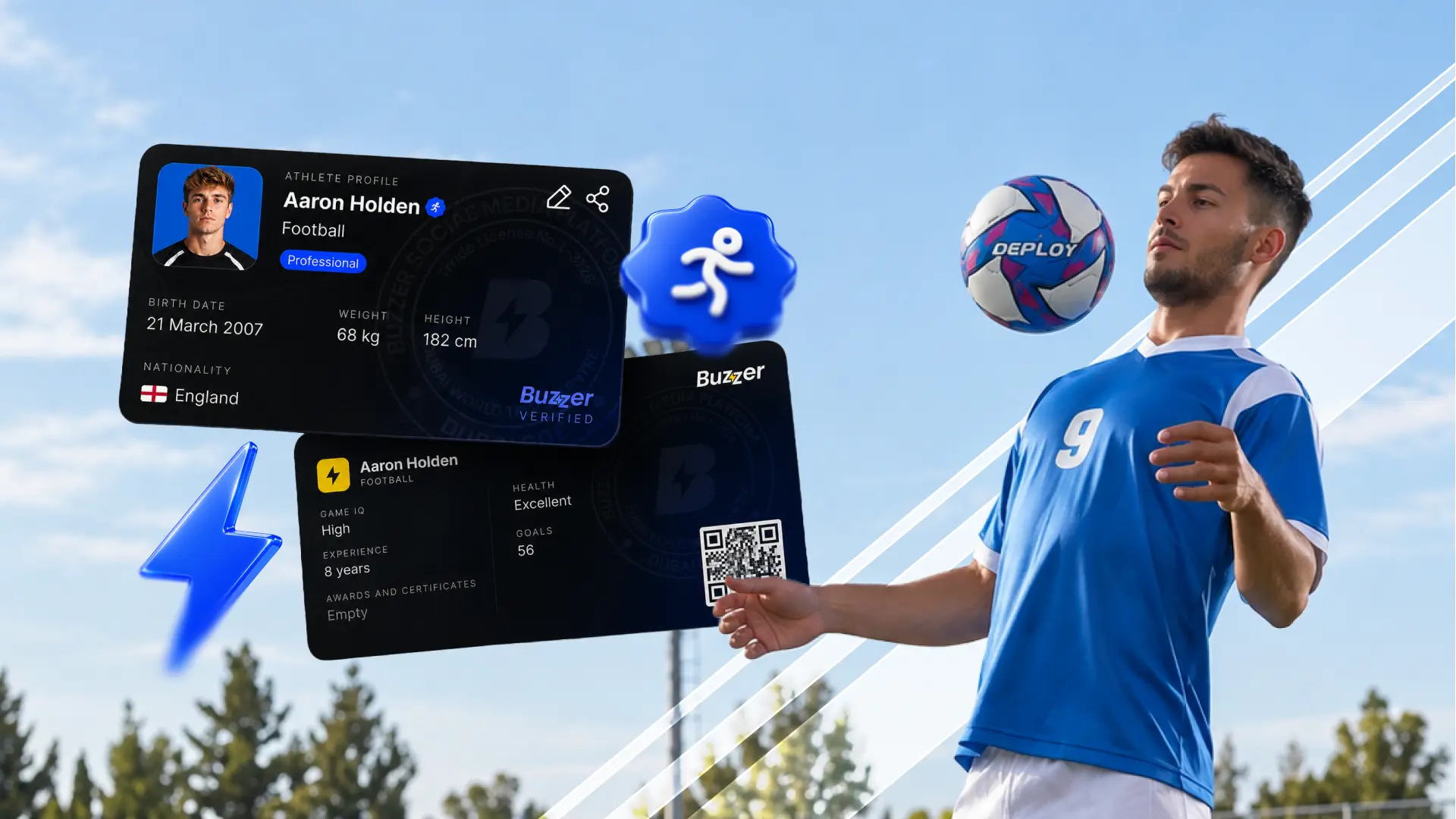
Live match observation still matters, but it's no longer the only source scouts work from. Verified player profiles, with tracked stats and video attached, let a scout do a first pass on a player before ever traveling to see them play, which changes where and how far a scout's attention can reach.

Buzzer connects scouts with exactly that kind of profile, athletes with verified stats and video in one place, rather than relying entirely on word of mouth or a single live viewing. Worth exploring if part of your scouting process involves finding players you'd otherwise never hear about.
Yes. A strong understanding of the game through coaching, closely following football, or playing at any level matters more than a professional playing career.
There's no fixed timeline. Most people build experience gradually through local volunteering and networking before landing a paid or formal role.
Not strictly, but courses through the FA, UEFA, or the Professional Football Scouts Association can accelerate credibility and networking opportunities.
A talent scout looks for players worth signing. An opposition scout studies upcoming opponents to find tactical weaknesses a team can exploit.
Yes. Access to players, clubs, and information in scouting overwhelmingly comes through relationships built over time, not cold applications alone.




.png)
.png)
%20(1).png)

%20(1).png)
.avif)
.png)


