


Buzzer Social Media Platform FZCO
Sheikh Rashid Tower, Floor 04,
Premises 407-FZF 131,
Dubai, United Arab Emirates
+971 58 296 9368




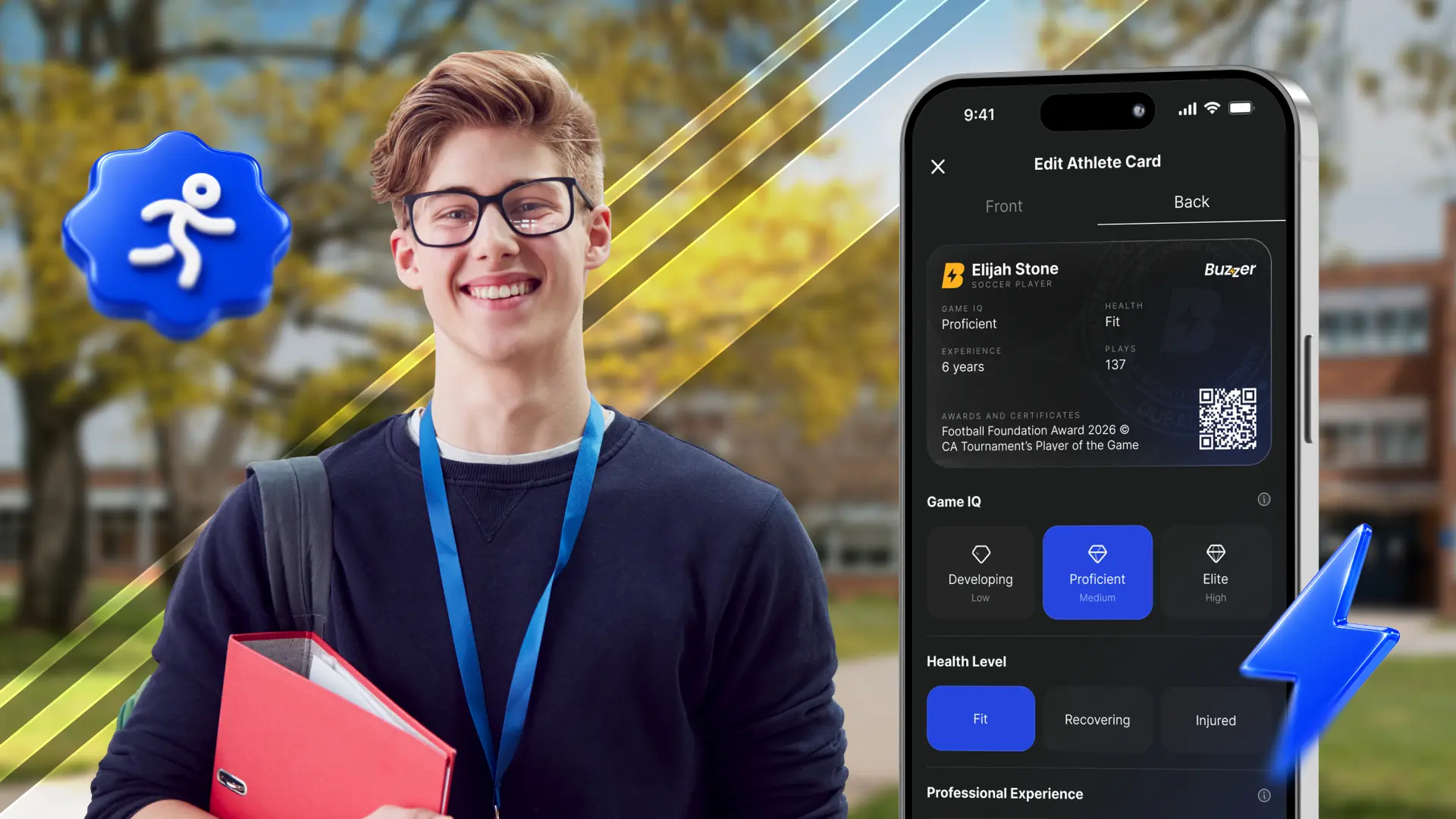
TL;DR: A student athlete resume blends two things most people write separately: academic credentials and athletic performance. The mistake most students make is treating the sports section as a footnote. Lead with quantified athletic results, back them with real academic detail, and the document works far harder than a standard resume ever could.
A student athlete resume isn't a sports resume with a GPA bolted on, and it isn't a school resume with "played soccer" added as a bullet point. It's a document that has to prove two different things at once: that you compete at a real level, and that you can also handle a classroom.
Five sections cover it: contact information, a short resume summary, athletic achievements, academic record, and transferable skills. The order depends on who's reading it, a coach wants athletics first, a scholarship committee often wants both weighted evenly.
Keep the whole thing to one page. Neither side of your story needs more room than that if the details are specific enough.
Two to three sentences, and it should name your sport, your role, and one number. A goal-oriented player description paired with a specific statistic and academic marker does more work than a paragraph of adjectives, because it gives the reader something concrete to remember you by.
"Team captain for two seasons, led the squad in assists while maintaining a 3.4 GPA" tells a reader everything a vague "hardworking and dedicated athlete" line never will.
Anything you can attach a number or a title to. Sports-specific results, state championships, MVP awards, records, or completed performance training programs all belong here, and each one should read as a fact, not a feeling.
Skip generic lines like "worked hard every season." If you can't quantify it or name the award, it's not pulling its weight on a one-page document.
This depends entirely on where the resume is going. A coach evaluating you for a team cares about your playing history first and your grades second, mostly as a signal that you can manage a schedule. A scholarship or academic-program reviewer weighs the two more evenly.
GPA, academic honors, and any relevant coursework or research experience still belong on the page either way. Just don't let the academic section crowd out the specific athletic numbers that got you writing this resume in the first place.
Discipline, time management, leadership, and the ability to perform under pressure are the ones that show up consistently across student athlete resumes, and for good reason: balancing competitive training with academic work is genuine, demonstrable evidence of these traits, not a claim you're making about yourself in the abstract.
Tie each skill to something specific rather than listing it bare. "Time management" backed by "maintained a 3.4 GPA while training 20 hours a week" is a claim with proof attached.

For a single application cycle, often yes. But a resume is a snapshot, it says what you did last season, not what you're doing now.
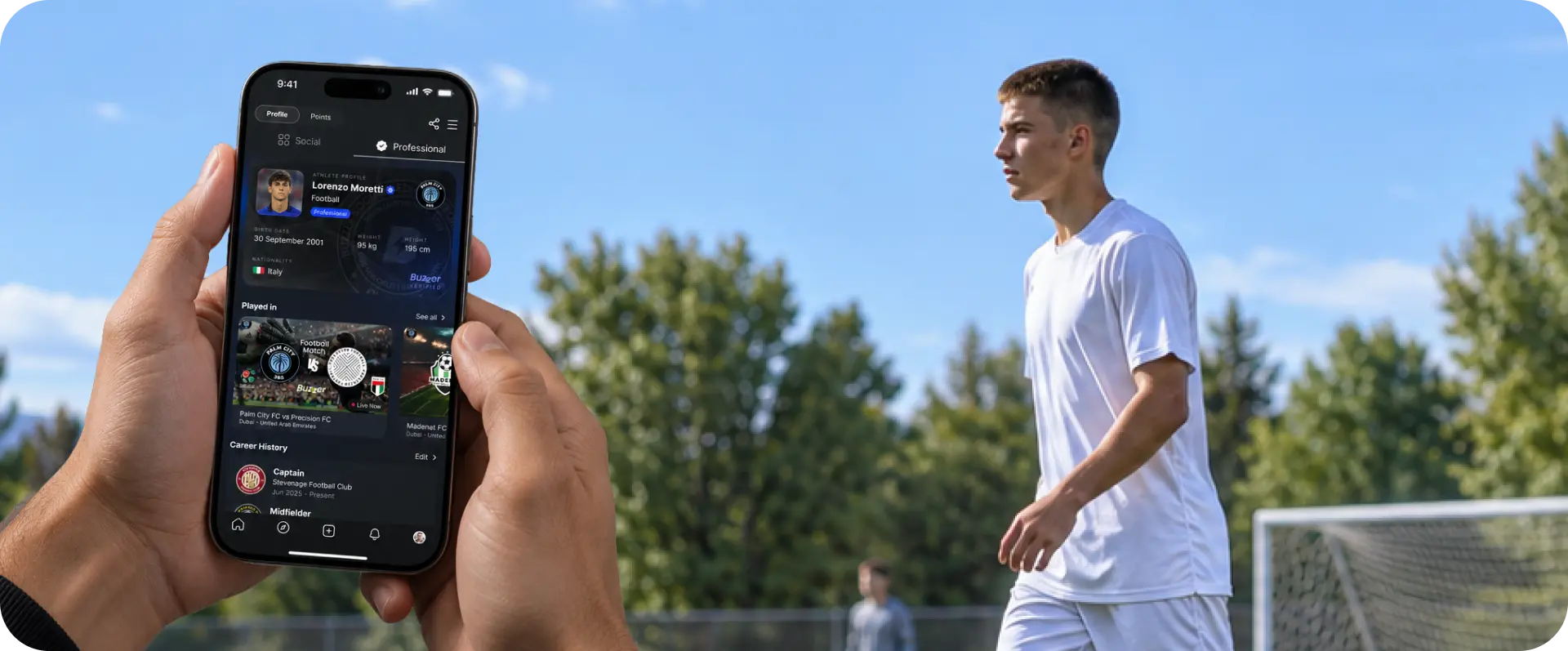
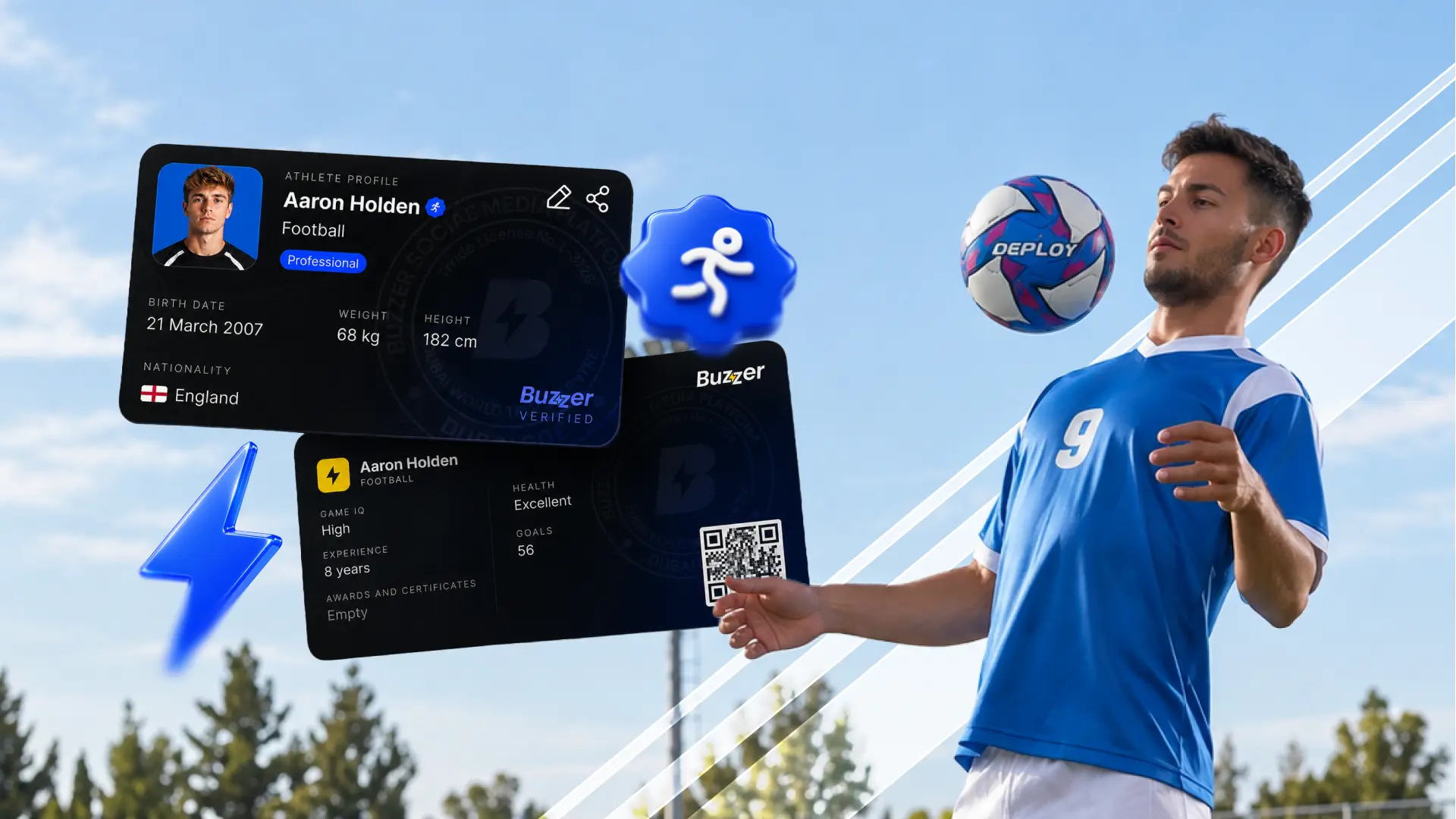
If you want ongoing visibility rather than a one-time document sitting in an inbox, pairing your resume with a live, verified profile keeps your stats current and puts you in front of more than one reader at a time. An Athlete Badge does exactly that, turning a static page into something scouts and clubs can actually find and follow.
Get your Athlete Badge or start with the app to see how a verified profile works alongside your resume rather than replacing it.
Yes, in almost every case. Keep both the academic and athletic sections tight enough to fit one page with specific detail rather than padding.
Focus on effort-based evidence instead, tournament participation, training programs completed, and specific skills developed through consistent competition.
The core content stays the same, but consider adjusting which section leads. Athletics first for coaches, a more even balance for academic scholarship reviewers.
It carries a dedicated athletic achievements section with the same weight as work experience, since athletic performance is being evaluated alongside academics rather than treated as a hobby.
Yes. A resume from last season doesn't reflect this season's stats, and a live profile through something like an Athlete Badge solves that staleness problem automatically.



.png)
.png)
%20(1).png)

%20(1).png)
.avif)
.png)


