


Buzzer Social Media Platform FZCO
Sheikh Rashid Tower, Floor 04,
Premises 407-FZF 131,
Dubai, United Arab Emirates
+971 58 296 9368



By Faruk Cidic, CTO at Buzzer Fan
There is a version of this job where you spend most of your time announcing things like new features or collaborations. Sometimes it’s new screens. You share an announcement, the team celebrates, you move on. I get why that sounds appealing.
Except that is not how we have been spending our time.
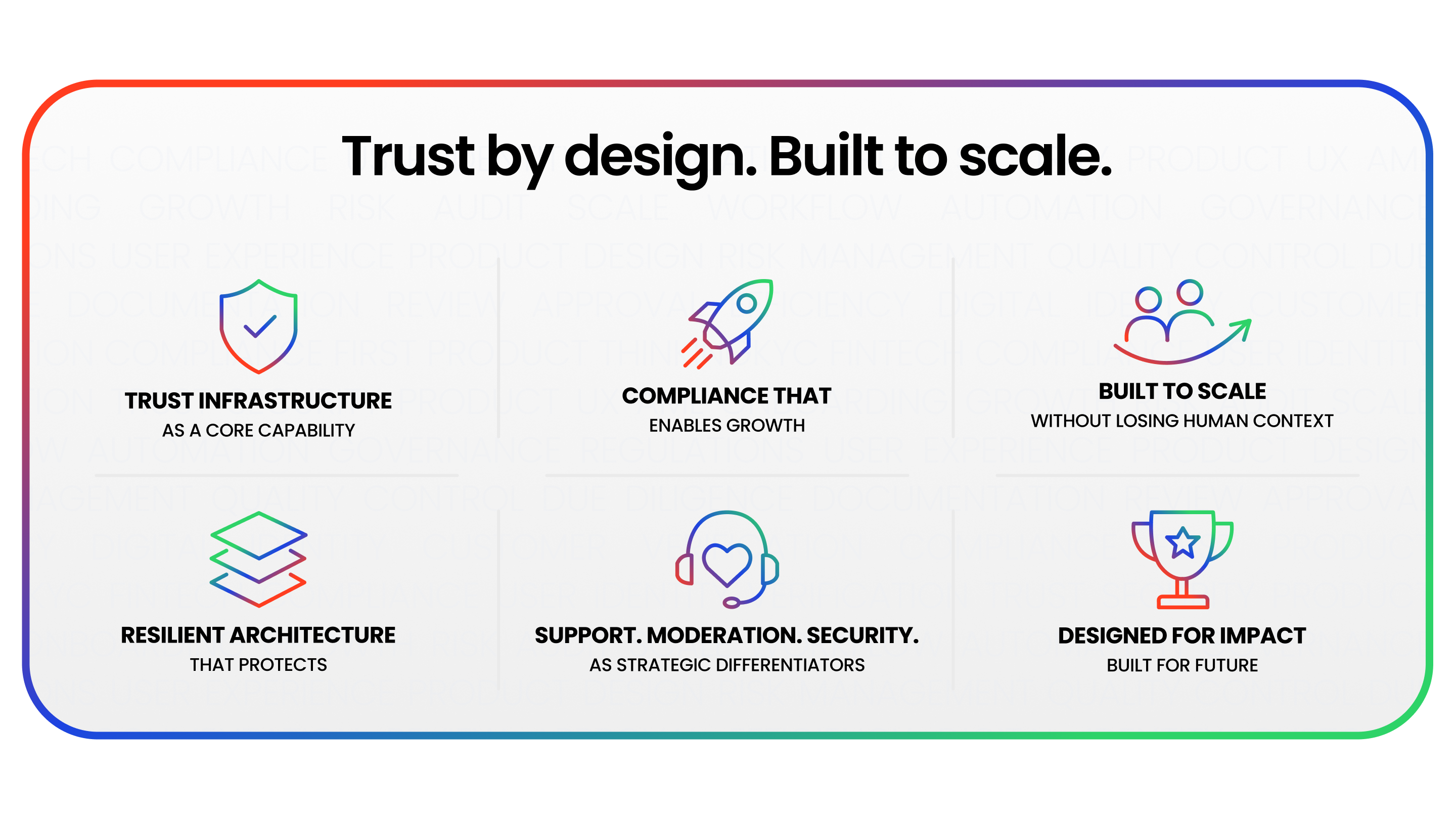
I’ve watched a huge part of our engineering capacity go into work that will never appear in a product demo. I’m talking:
None of that is exciting or makes the “hot trends” list.
But here is what I have learned building in this space: sports communities are not like other communities.
The stakes are higher. Athlete identities, fan loyalty, real money, and reputations are on the line. When something breaks or gets exploited, it does not just create a problem, but damages something that took years to build. The trust between a platform and the people who use it is not a soft metric. For me, I’d say it is the whole game.

Most platforms in this space treat infrastructure as something you get to later after you build the features first, grow the user base, and have resources.
I have seen this pattern repeatedly across the industry. By the time you go back to fix it, the technical debt is structural, you’re now looking at real security gaps, and all you’re left doing is pretty much patching things up. That never ends well.

For us, we made a different call early on.
That last point matters. When your platform handles financial activity, digital identities, and community relationships, support is no longer a back-office function. It becomes part of the trust architecture itself. How fast a user gets help when something goes wrong is a product decision. Not quite an operational one as some may imagine.

Features matter, no doubt. We have launched many this year ourselves at Buzzer, and we intend to keep at it.
What I’m trying to say is that the features that really matter are the ones built on something solid. Discovery algorithms, athlete monetization, live event infrastructure.The products people experience are ultimately constrained by the quality of the infrastructure that supports them.
The work nobody claps for is still work. And in the long run, it is probably the work that matters most.




.png)
.png)
%20(1).png)

%20(1).png)
.avif)
.png)


