


Buzzer Social Media Platform FZCO
Sheikh Rashid Tower, Floor 04,
Premises 407-FZF 131,
Dubai, United Arab Emirates
+971 58 296 9368




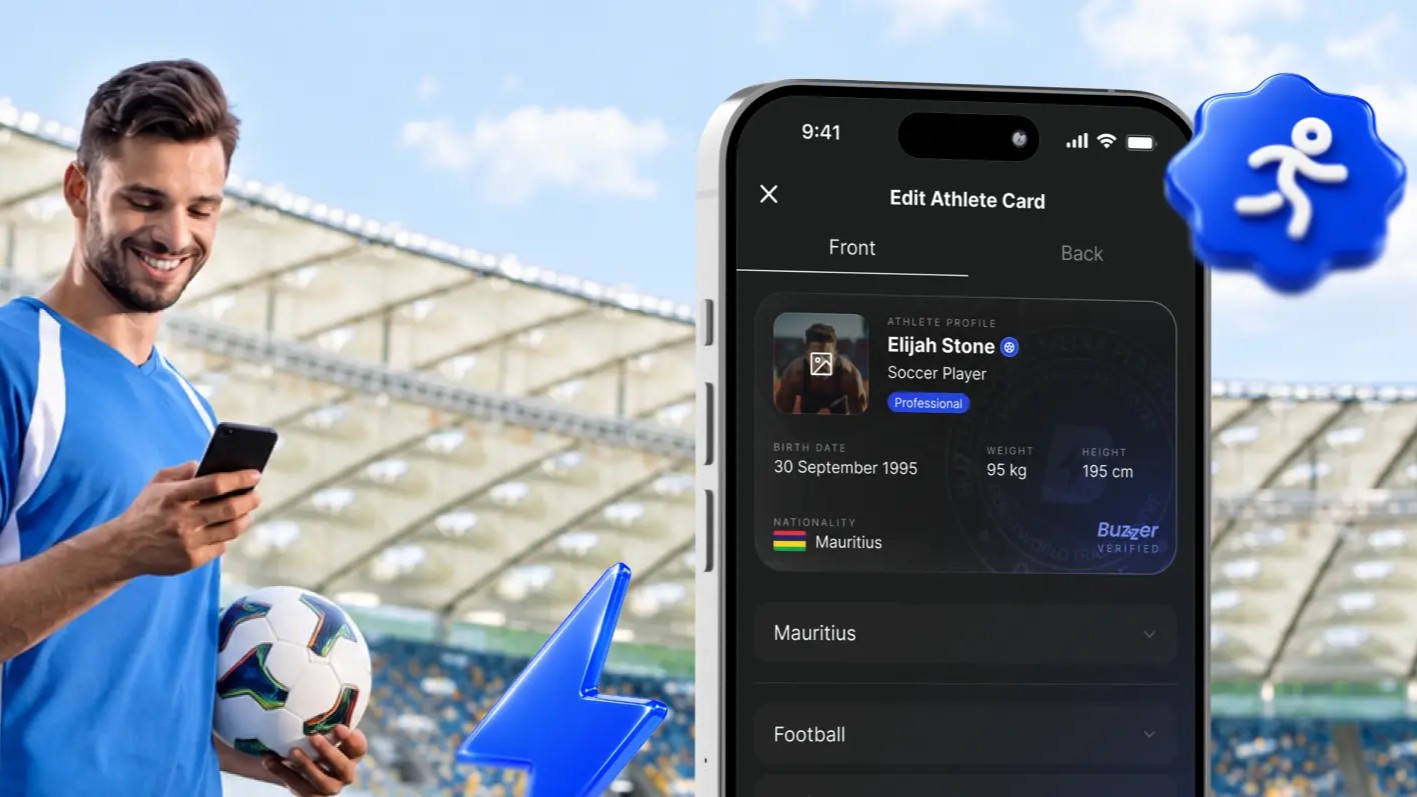
TL;DR: A football player CV needs a clear structure: personal details and position up top, clubs and honours in the middle, stats and a highlight video doing the actual selling. Skip the generic resume format entirely, scouts scan for football specifics, not job-application polish.
A football CV isn't a resume with the word "football" swapped in. Scouts and coaches read hundreds of these, and the ones that get a reply follow a structure built for how football people actually evaluate players.
Five sections, in this order: personal details and position, playing history, honours and stats, skills specific to your role, and a highlight video link. Anything outside that structure is competing for attention it doesn't need to have.
Keep the whole document to one page if it's text-only. The video does the heavy lifting, the CV just gets you to click play.
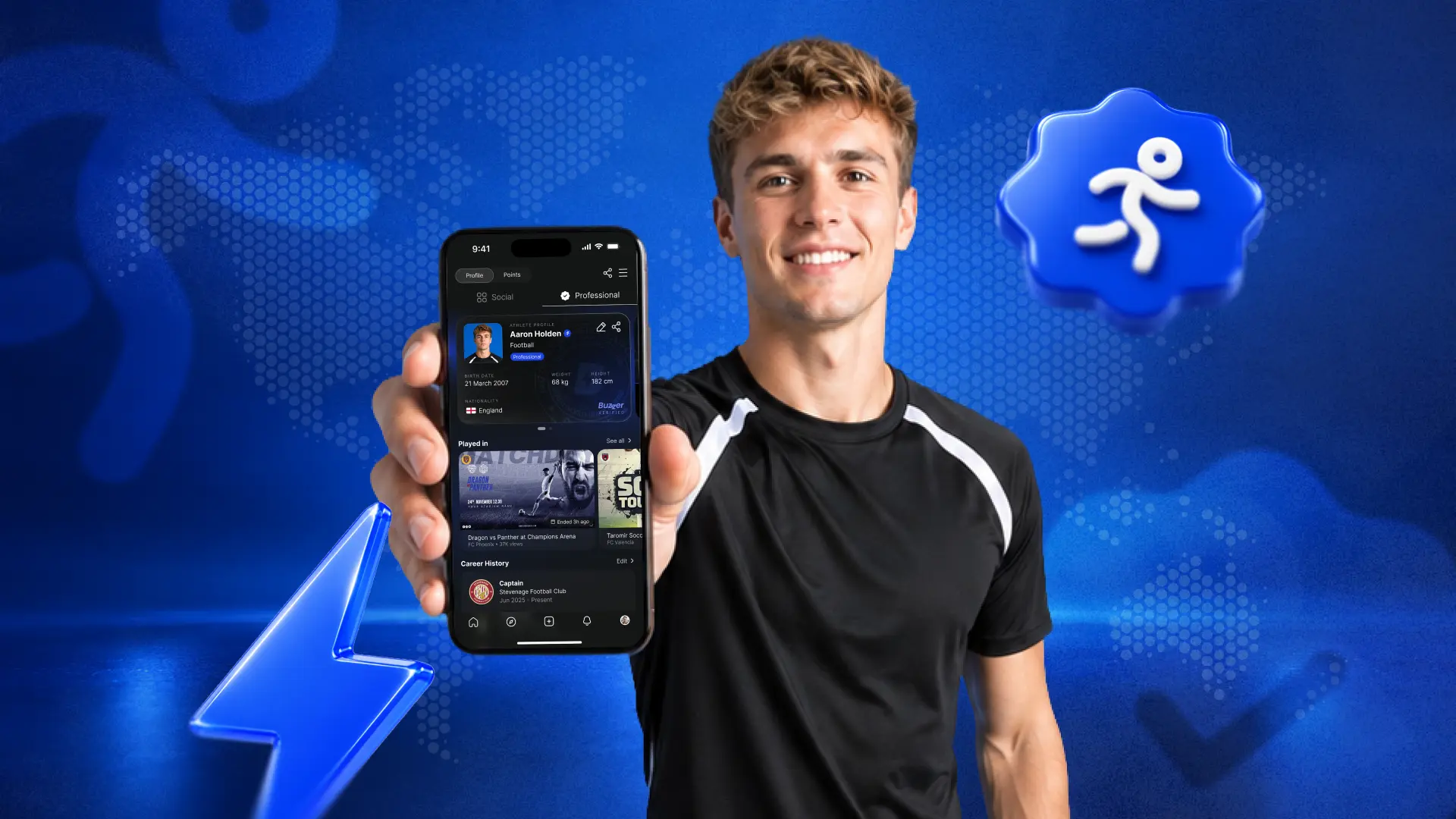
This is three to five sentences, not a paragraph of aspirations. State your position, your preferred foot, your current club status, and one concrete thing that makes you worth a second look.
"Central defensive midfielder, right-footed, currently unattached, led my previous club's midfield in tackles won for two consecutive seasons" does more work than three sentences about your love of the game. Recruiters spend less than a minute reviewing each submission, so the profile has to earn attention fast, not build up to it.
Most recent first, and each entry gets one line of context beyond dates. Club name, league or level, years played, and a single line naming what happened there, promotion, top scorer, captaincy, whatever's actually notable.
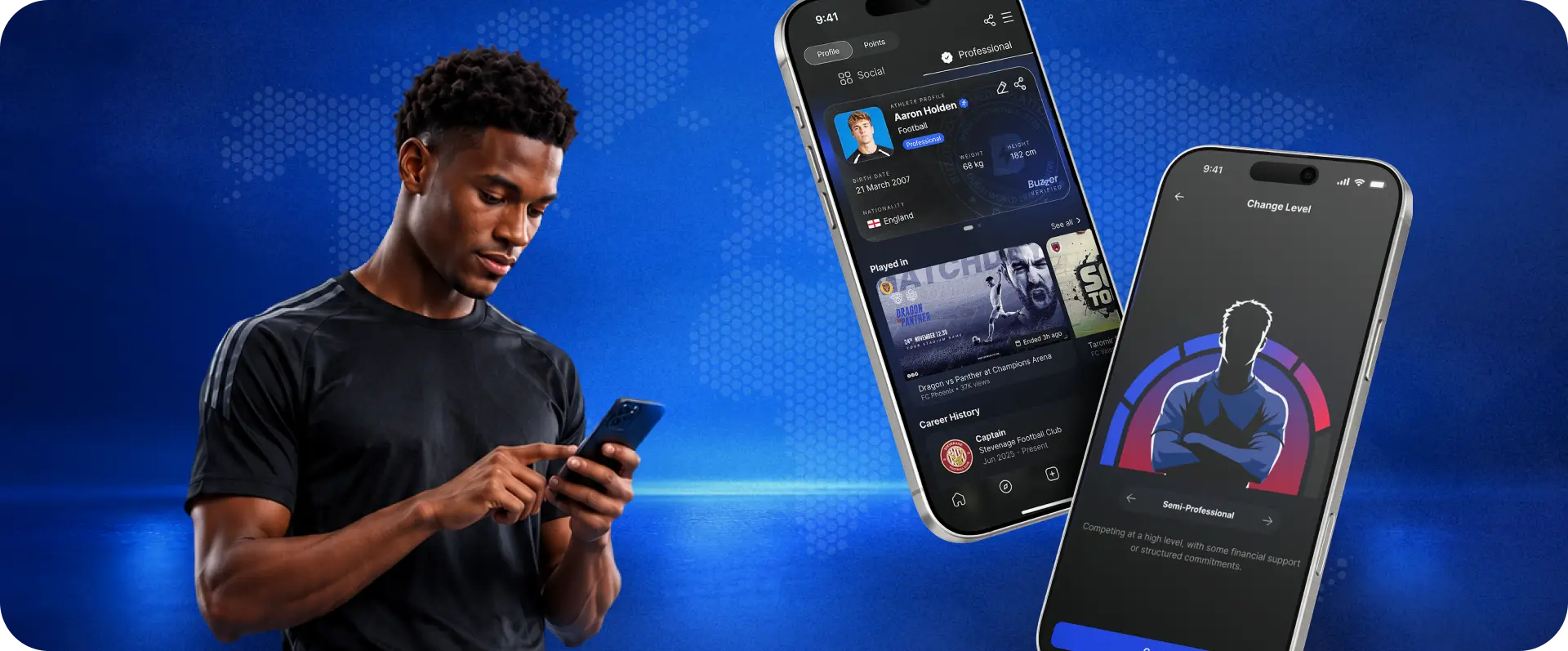
Where you've played, what programmes or academies you came through, and any honours you picked up along the way all belong here, but keep every entry tight. A scout skimming three clubs in five seconds should still walk away knowing what you actually did at each one.
Include whatever your position measures best: goals and assists for attackers, tackles and interceptions for defenders, clean sheets for goalkeepers, appearances for everyone. Leave out anything you can't back up with your video or a source.
A stat with no evidence behind it reads as a red flag, not a strength. If you claim ten assists, make sure at least a few of them show up in your highlight reel.
Always, and it should sit near the top of your CV, not the bottom. Coaches typically decide within the first 30 seconds whether a player is worth continued attention, so your strongest clip goes first, every time.
Two to three minutes is the right length. Longer than that and you're testing patience you haven't earned yet.
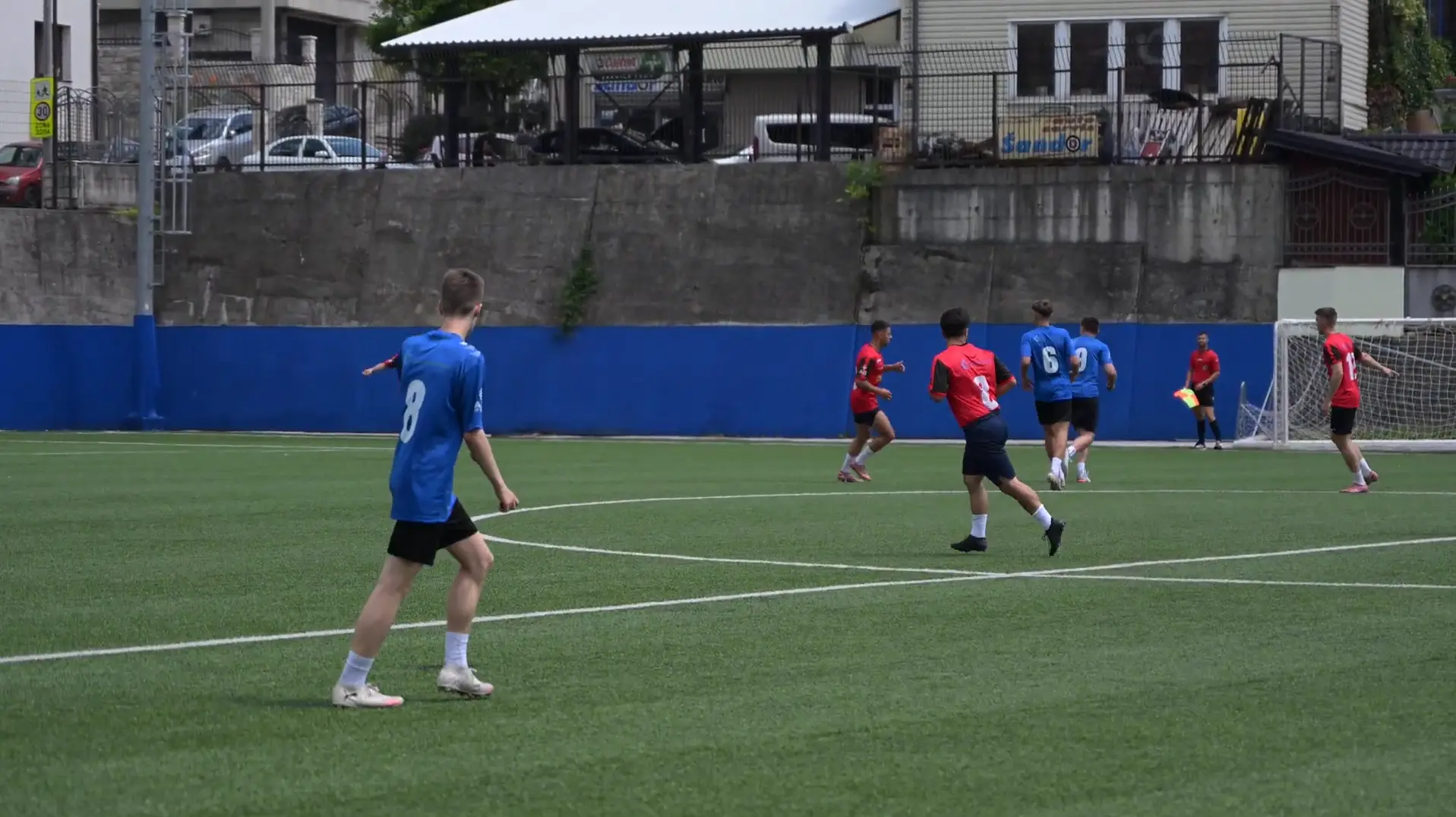
A CV sitting on your laptop reaches nobody. Emailing it to a handful of local clubs reaches a handful of local clubs, and nothing more.
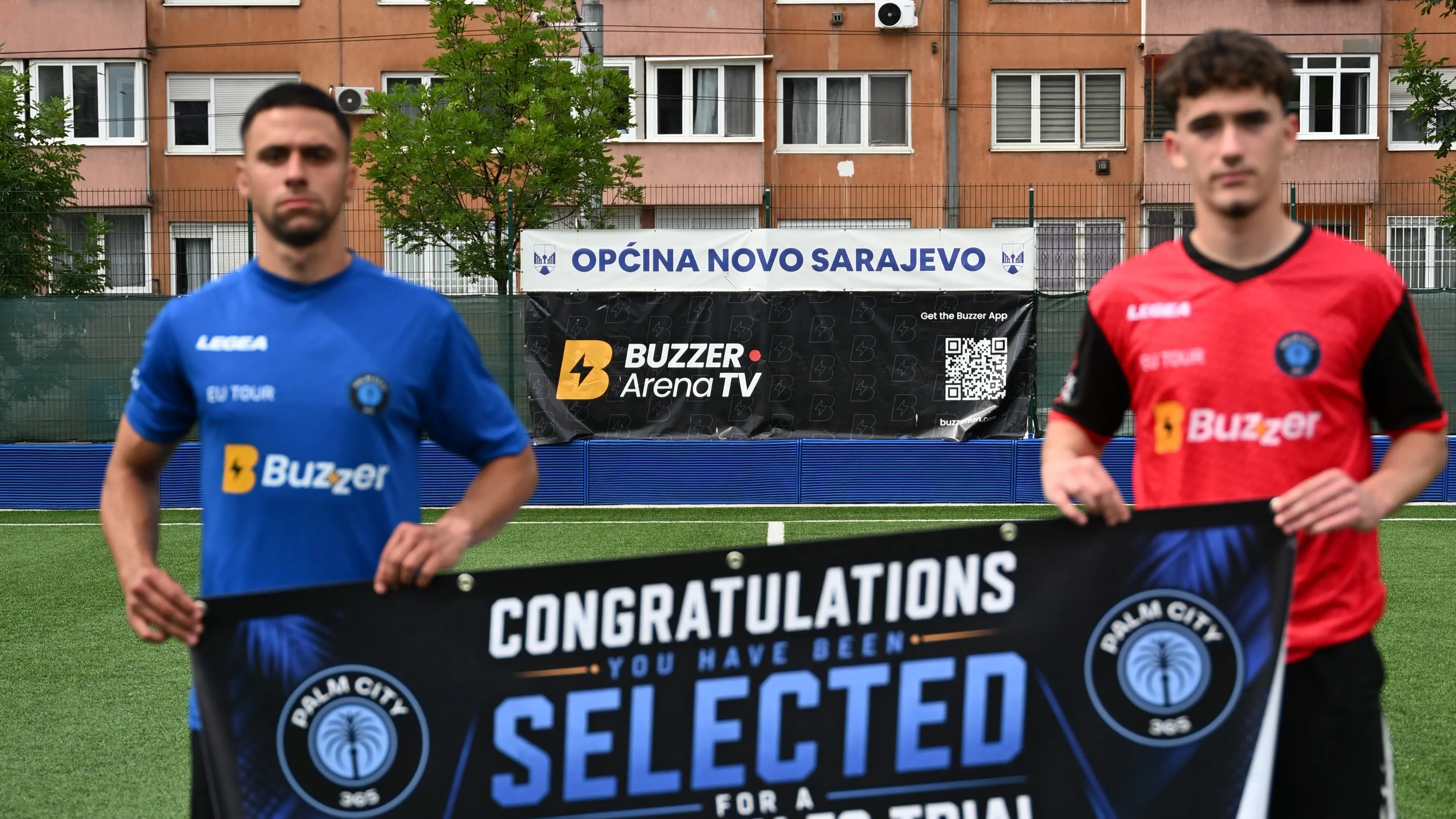
An Athlete Badge gives your CV worldwide reach instead of local-only visibility, the kind of reach that put two unattached players from Sarajevo, Stefan Radaković and Daris Kablić, in front of Palm City FC's coaching staff and onto a fully covered trial in Dubai. No agent, no local connection, just a profile the right people could actually find.
Get your Athlete Badge and put your CV where clubs are actually looking, or start with the app to see how the network works first.
A clear headshot is optional but common. It's far less important than your video link, which should be the centerpiece of the document.
List every club relevant to your current level of play, usually the last three to five years. Older entries can be summarized in a single line if space is tight.
Burying the highlight video at the bottom or leaving it out entirely. It's the single most persuasive part of the document and should be near the top.
No, but your skills and stats section should clearly state your primary position and adjust the emphasis if you've played more than one role.
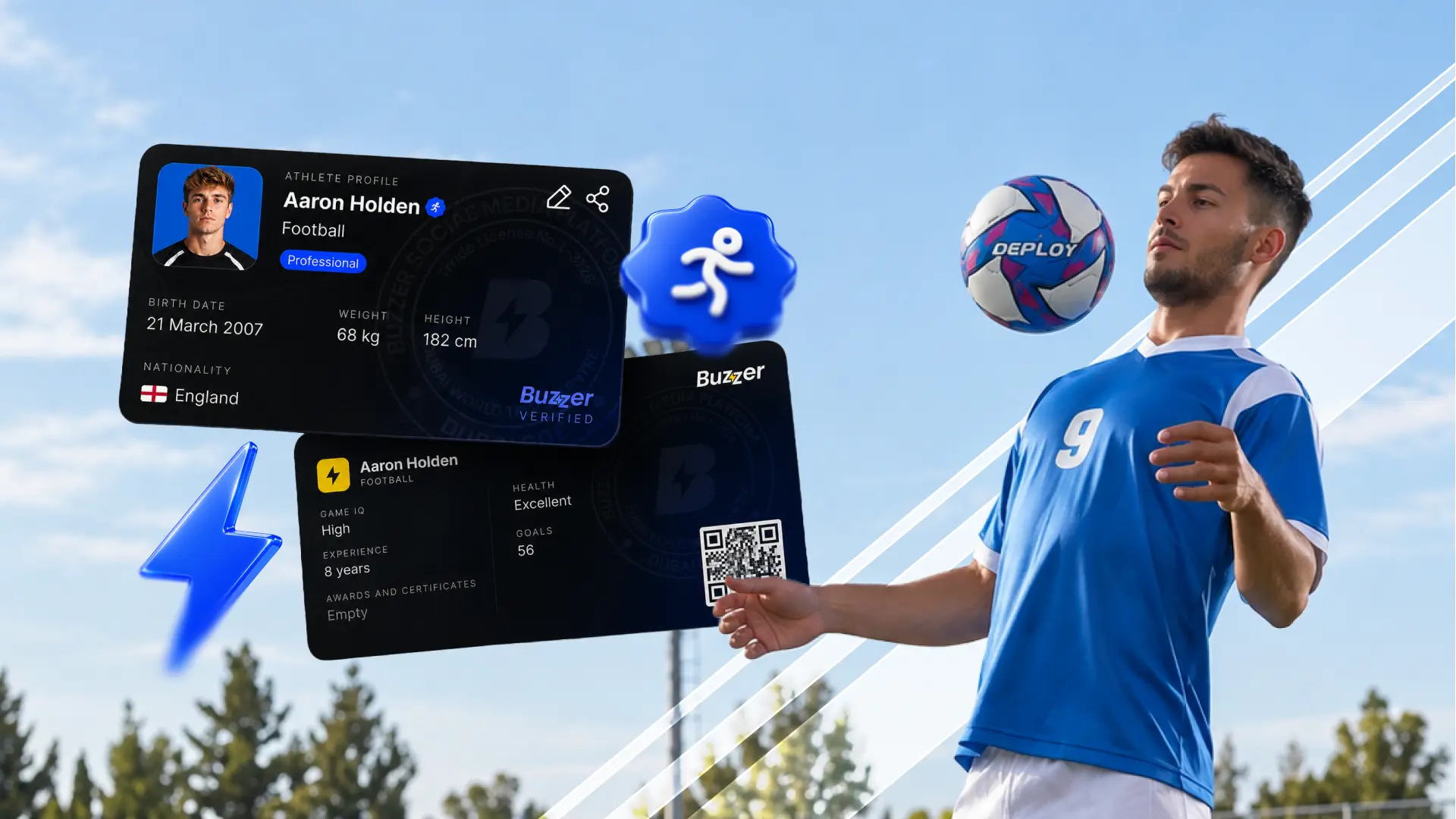
A local-only search rarely reaches international clubs. A verified profile through something like an Athlete Badge extends your reach to a global network of connected clubs and scouts.



.png)
.png)
%20(1).png)

%20(1).png)
.avif)
.png)


