


Buzzer Social Media Platform FZCO
Sheikh Rashid Tower, Floor 04,
Premises 407-FZF 131,
Dubai, United Arab Emirates
+971 58 296 9368




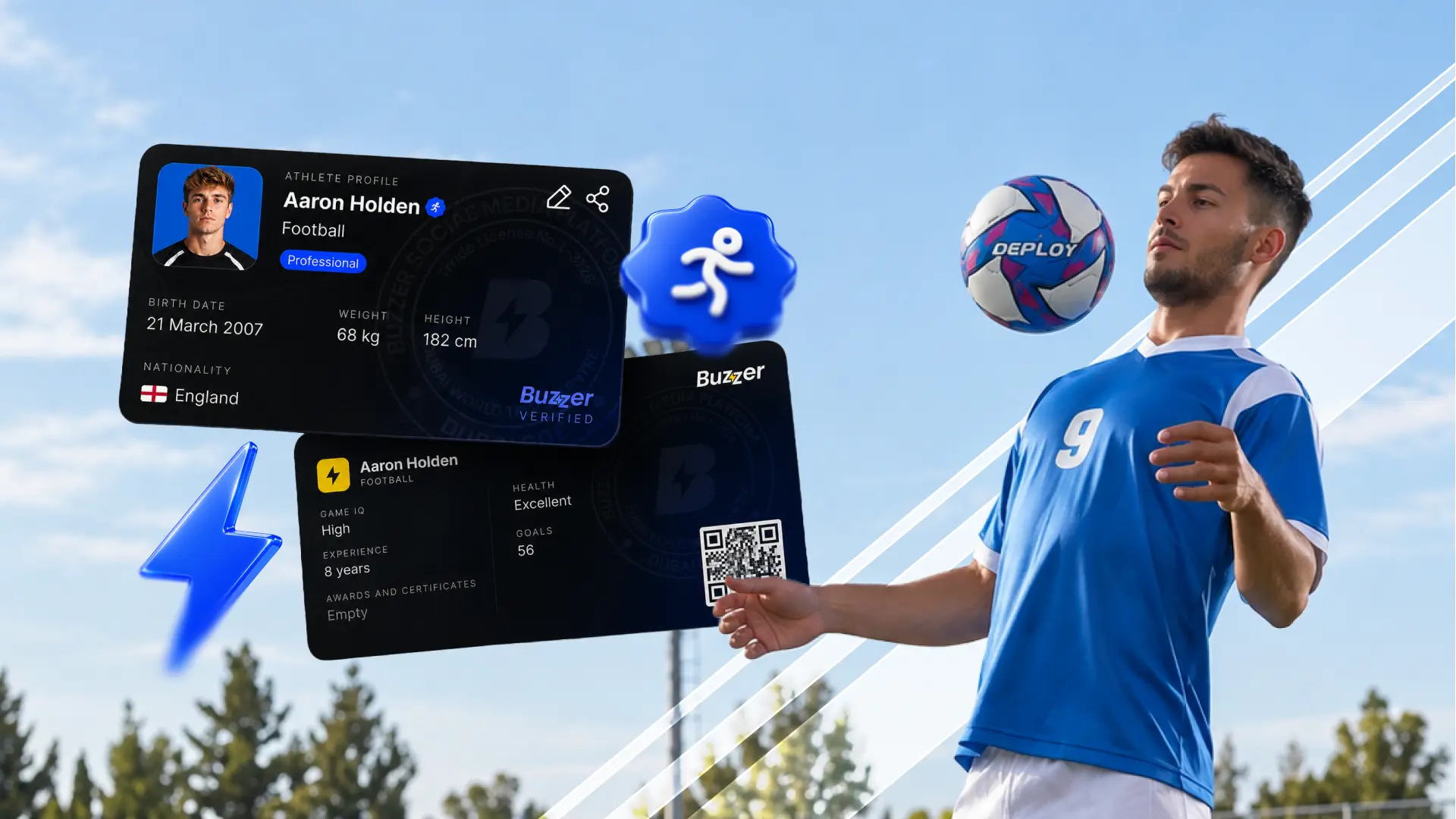
Search "soccer cv" and "football cv" and you'll find the same underlying document wearing two different names. But a few real differences show up once you dig in, mostly around terminology and what a recruiter expects to see in your video.
The same five core sections as any player profile: personal details and position, club and team history, key stats, position-specific skills, and a highlight video. What changes is the language, "midfielder" instead of positional shorthand, "clean sheets" for keepers, "assists" tracked as closely as goals.
Keep it to one page of text. The video is still doing most of the persuading.
Three to five sentences, front-loaded with your position and one concrete achievement. Skip the generic "passionate and hardworking" language entirely, every CV a recruiter reads says that.
Instead, name your position, your current playing status, and a number. "Center back, currently playing club soccer, zero goals conceded across the final six matches of last season" tells a recruiter more in one line than a paragraph of adjectives.
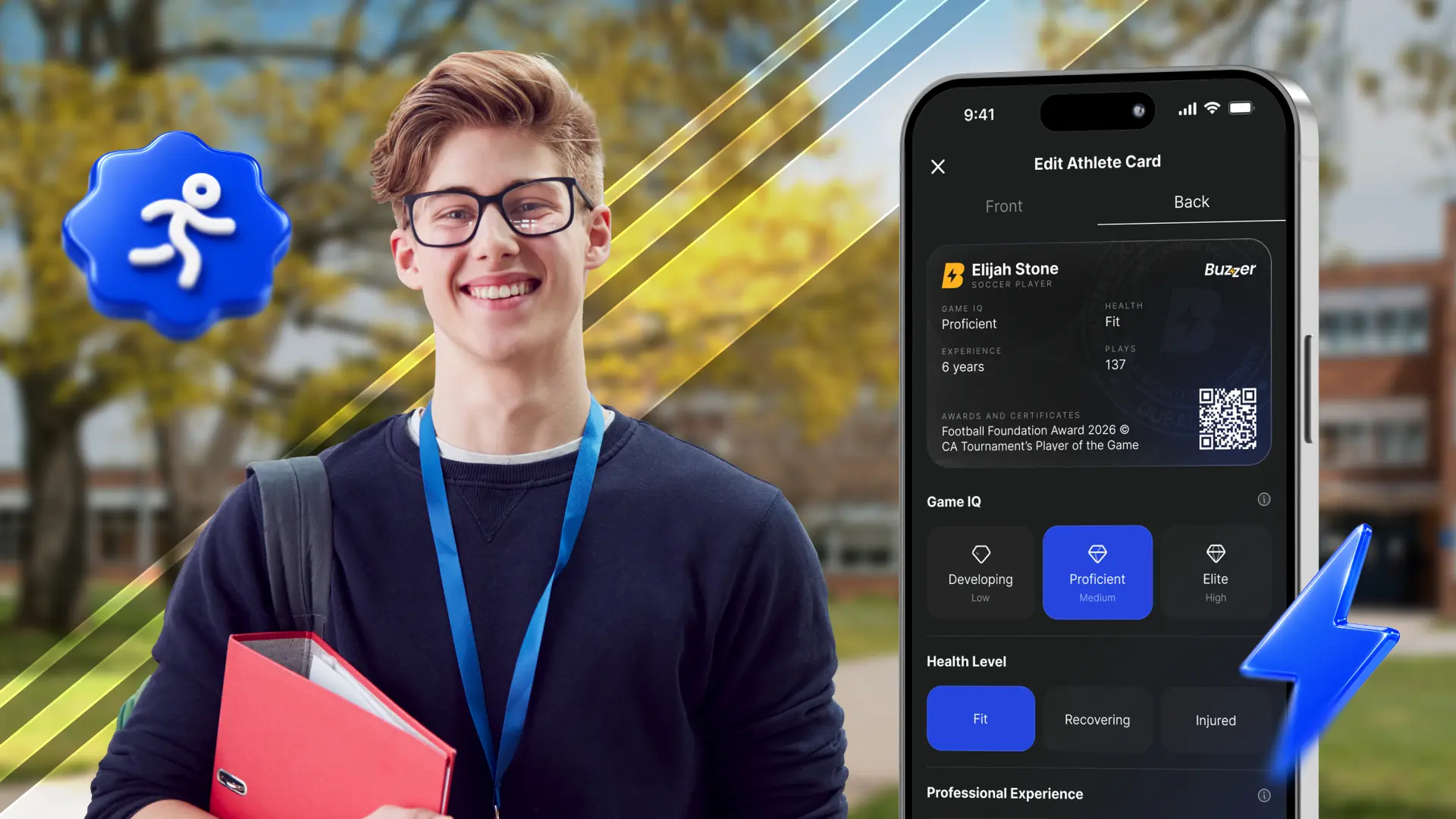
Goals and assists for attacking players, clean sheets and saves for goalkeepers, tackles and interceptions for defenders, and appearances across the board regardless of role. Track these throughout your season rather than reconstructing them from memory when you sit down to write your CV.
Whatever number you put on paper needs to show up somewhere in your video too. A gap between the two is the fastest way to lose credibility with a recruiter who's seen this trick before.
Yes, and the expected length runs a little longer than in some other sports. Soccer-specific recruiting guidance generally points toward five to eight minutes of clipped match footage, rather than the tighter two-to-three-minute reels common elsewhere, though your best clips should still open the video regardless of total length.
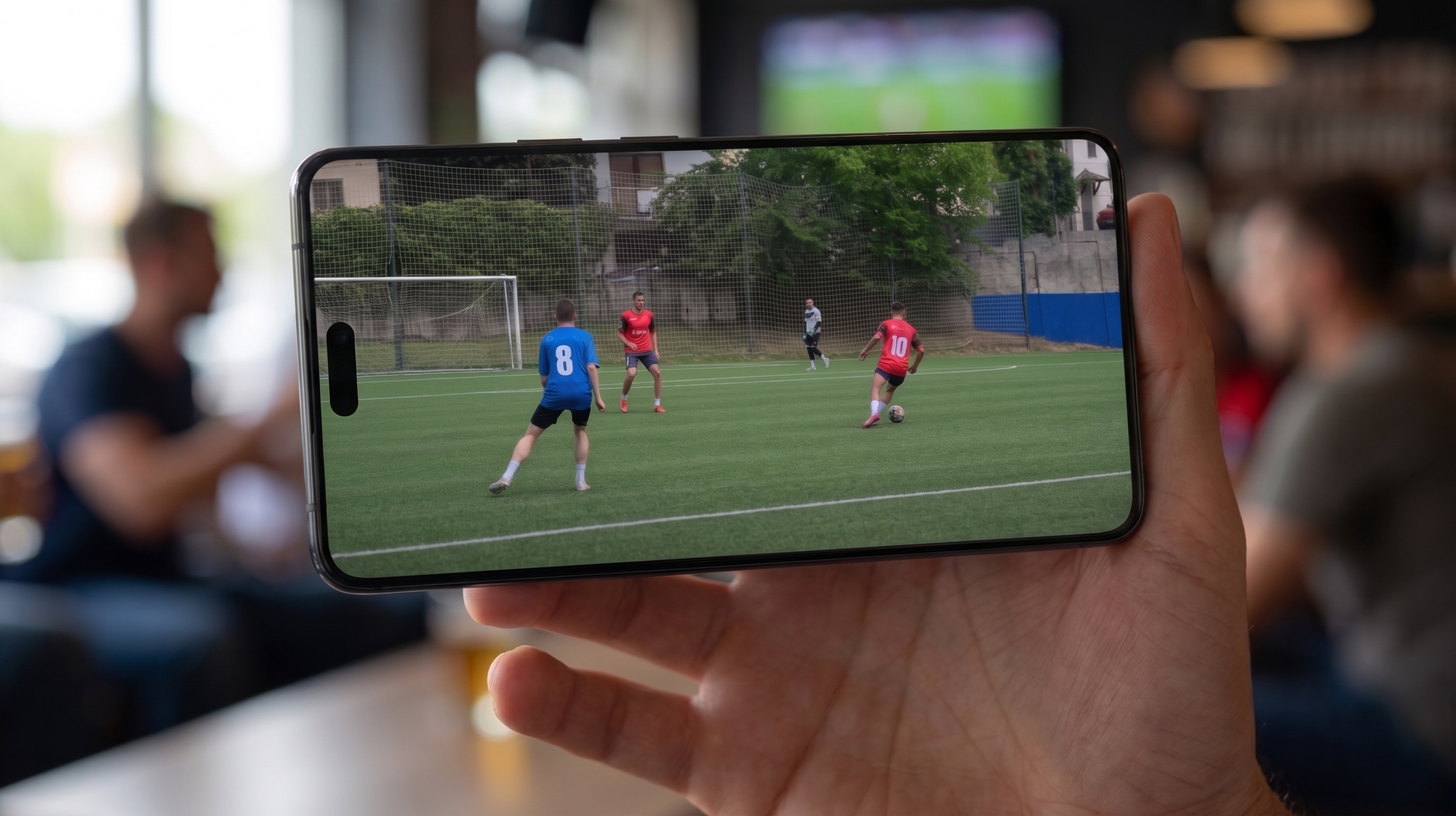
Label it clearly. Name, position, and contact information at the start of the footage, not buried in a description field a recruiter has to go hunting for.
A paper CV sits still. A digital profile can actually be found.
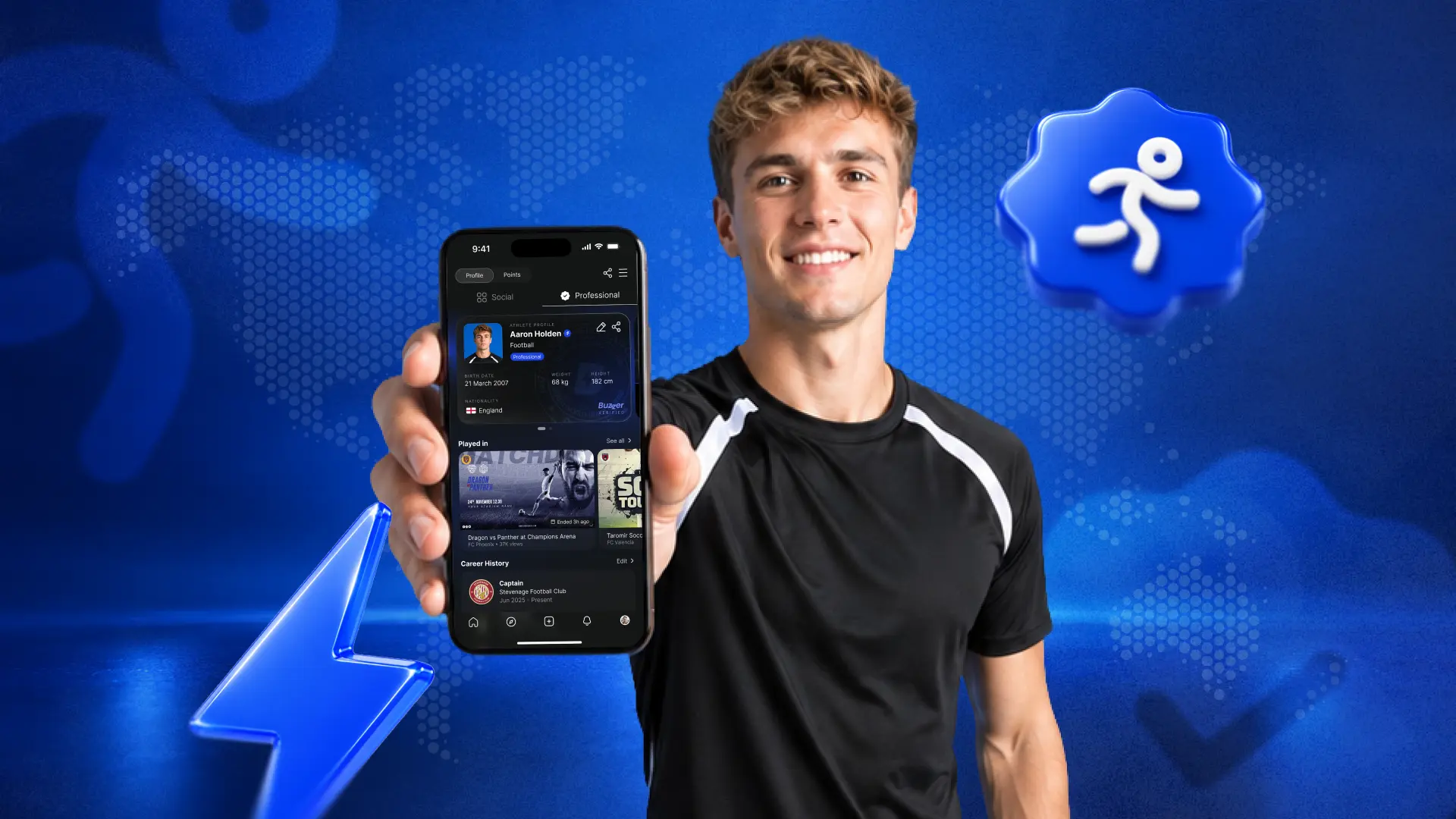
That distinction matters more than most players realize. A written CV emailed to five clubs reaches five clubs. A profile built on a platform scouts already use, like an Athlete Badge, reaches a global network instead, the same kind of reach that took players from Bosnia and Herzegovina straight to a fully covered Dubai trial with Palm City FC's first team, no agent required.
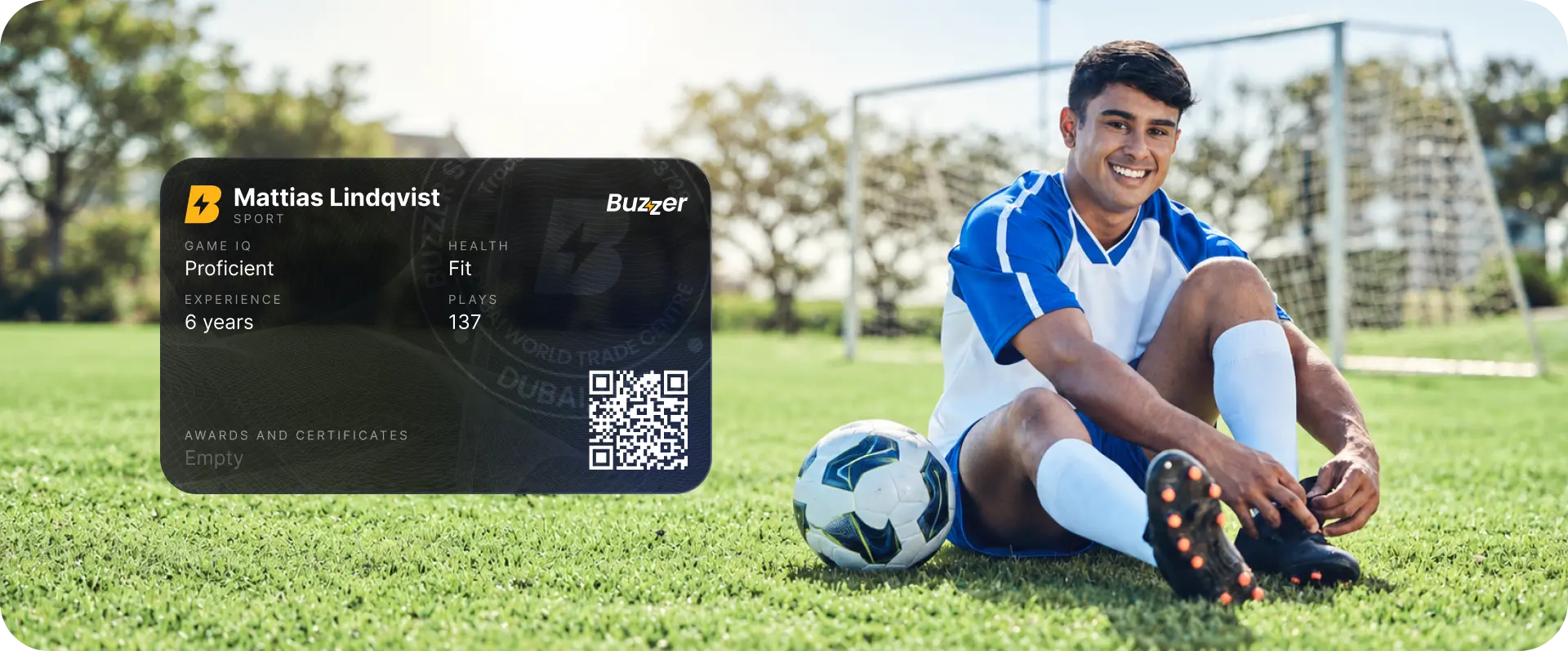
Recruiting guides consistently flag the same errors: videos padded with non-game footage, stats that don't match what the tape shows, and profiles that go stale after a single season. Update yours regularly, and cut anything from your reel that isn't you making a play.
Get your Athlete Badge and put your soccer CV where the right people can actually find it, or download the app to see the network for yourself first.
Mostly in terminology and video length expectations. The core structure, position, clubs, stats, video, stays the same across both.
Soccer-specific guidance generally suggests five to eight minutes of clipped footage, longer than the shorter reels common in some other sports, though your strongest plays should still come first.
Whatever your position measures best, goals and assists for attackers, clean sheets and saves for goalkeepers, tackles for defenders, and appearances for every role.
No. Keep the focus on club and league performance rather than any single country's recruiting system, since the goal is a profile clubs anywhere can evaluate.
A verified platform profile, like an Athlete Badge, reaches a global network of clubs and scouts instead of the handful you could realistically email yourself.



.png)
.png)
%20(1).png)

%20(1).png)
.avif)
.png)


