


Buzzer Social Media Platform FZCO
Sheikh Rashid Tower, Floor 04,
Premises 407-FZF 131,
Dubai, United Arab Emirates
+971 58 296 9368
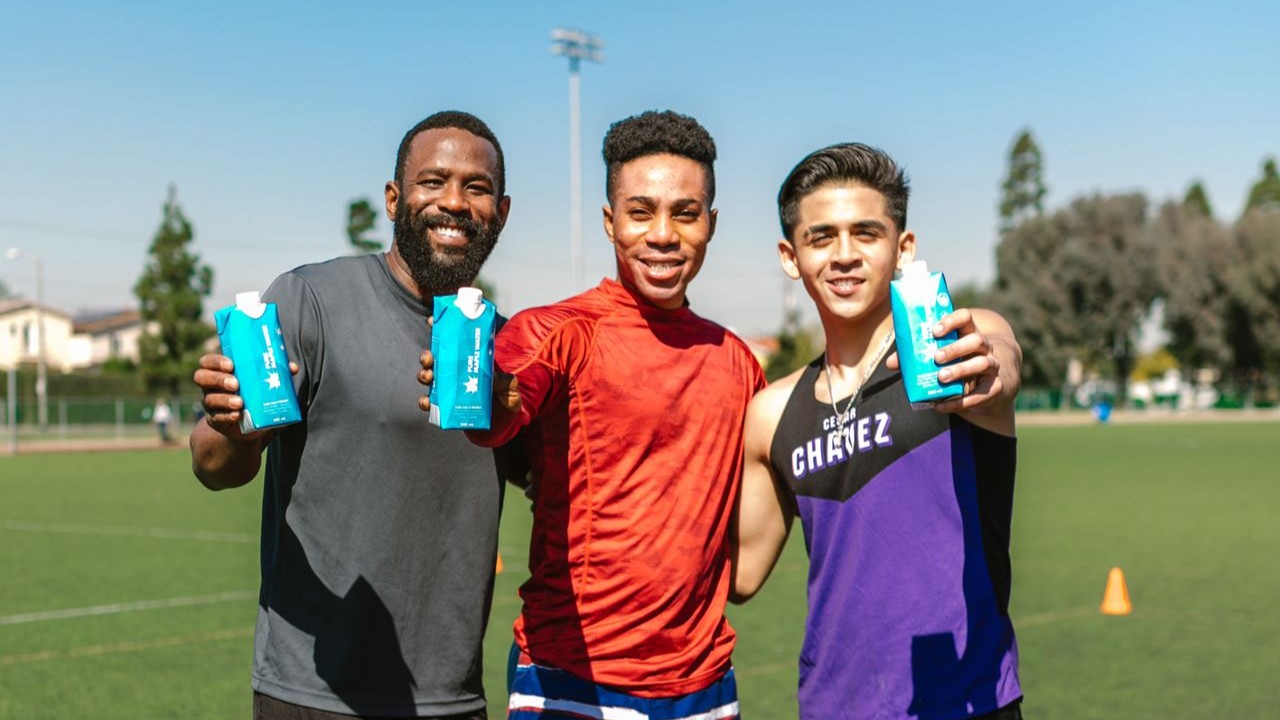
TL;DR: Most athletes get their first sponsor locally, and the first deal is often free gear, not cash. Brands want a real audience, a clear story and an easy yes. Prepare a one-page profile, pitch nearby businesses first and report back after you sign.
You don't need a million followers to get a sponsor. But you do need a reason a business should care about you. That reason is almost never your talent alone.
Many guides on this topic target pro athletes, or they are sign-up pages for a sponsorship service. This one is for the player in the middle. That means a youth, amateur or semi-pro athlete who wants help with boots, travel or fees. You'll see the five types of deals and the one that fits your level. Then you'll learn what to prepare and who to ask, and you get a pitch email you can send today.
A sponsor wants to reach people, and you are the way in. Your skill matters. Still, the business is buying attention and trust. So a local striker with 800 engaged followers can be worth more to a nearby shop than a distant star with 80,000 who never reply.
There is some evidence for this. Opendorse looked at over 36,000 branded Instagram posts made for sponsors in 2019. Athlete accounts averaged a 3.9% engagement rate on sponsored posts. Influencer accounts averaged 1.8%, team accounts 1.2% and league accounts 1.0%. That data covers one platform and one year. It also comes from a company that sells athlete marketing. Still, it is a useful signal.
An agency view points the same way. SportBusiness reported that Wasserman, the sports marketing agency, now sees who makes up an athlete's following and where they live as more important than its raw size. Therefore a small, local, active audience is not a weakness. It is your pitch.
In short, sponsors look for four things:
Start with product or service deals. They are the easiest to win, so they build the proof you need for cash deals later. The Australian Sports Foundation lists five types of sponsorship: financial, product, service, affiliate and ambassador.
Here is how they usually line up with where you are.
Two things to know. First, "sponsorship" in grassroots sport is often a small, local deal, not a contract with a global label. Second, the order matters. A shop that gives you boots in March makes it easier to ask a physio for sessions in June. After that, a local firm may fund your travel in September.
Check three things before you say yes to any deal.
You need a one-page profile, a video of you playing and a social account that looks alive. Do this first, because pitching without it is the fastest way to get ignored.
Use this checklist.
If you don't have a CV yet, build one first with our guide on how to build an athlete CV. A digital player CV goes further, because a sponsor can open it on a phone in seconds.
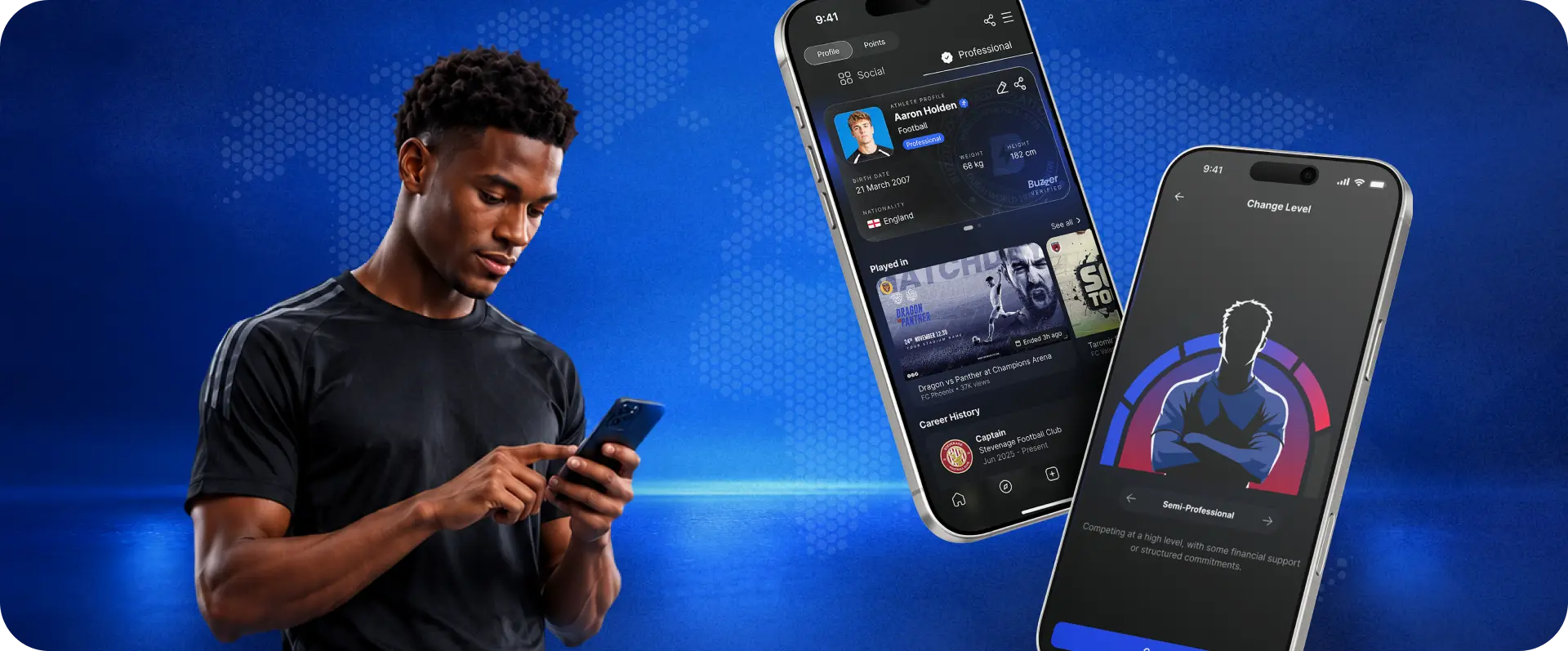
For example, keep it to a single page, split into five blocks:
You will attach this same page to the pitch below. As a result, anyone who reads it should be able to say yes without asking another question.
Go to businesses that already know you or sit in your area. Warm leads beat cold ones. The Australian Sports Foundation suggests starting with brands you already use, local businesses that share your values and family or local connections. It also says to build rapport first.
Work through the list in this order:
Don't send the same email to 50 places. Instead, pick five and write each one properly.
Your pitch should be short, specific and easy to answer. Say who you are, why this business, what you offer and what you want. Then ask for one small next step, like a call or a visit.
Here is an email you can copy. Replace the brackets.
Subject: [Your name], [club], and [Business name]
Hi [First name],
I'm [your name], a [age]-year-old [position] at [club] in [town]. I've bought [product or service] from you for [time] and I like [specific reason].
This season I played [number] games and scored [number] goals. I'm now looking for a few local partners who want to reach [audience, such as: the 1,200 people who follow our club]. I'd tag you in match-day posts, wear your logo where the club allows it and say thanks at home games.
What I'm asking for is [specific thing: a pair of boots, a monthly gym pass, a contribution to travel costs].
I've attached a one-page profile with my stats and a short video. Could I pop in for ten minutes next week?
Thanks,
[Name] | [Phone] | [Profile link]
Three rules make it work.
If you hear nothing, follow up once after a week with a two-line note. After that, move on. Wait a few months before you try again.
Most pitches fail for the same reasons. Check yours against this list before you hit send.
You can still pitch. Swap audience numbers for other proof. Use your club's crowd, your school team or the people at your local ground. Offer something you can deliver, such as a thank-you at home games or a photo in their shop. Then keep every promise you make, because a track record is the best audience you can build.
Treat the first yes as the start of the relationship. A common way to lose a deal is to go quiet after signing. So use these habits to keep sponsors coming back.
Also keep a simple record of who you contacted, what you offered and when you spoke. A sheet with five columns is enough.
A sponsor wants to see a real athlete, real numbers and real footage in one place. Buzzer's Athlete Badge gives you a verified athlete profile where you can add your stats and video highlights. The page calls it a way to build a professional presence that can help relevant brands discover players in the Buzzer community.
Add the link to your pitch. Then use the same link when you talk to scouts, as our guide on how to get scouted for soccer explains. If you also want to grow an audience, read how brands choose athletes to work with.
Start locally. Make a one-page profile with your stats and a highlight video, then pitch five nearby businesses by name. Ask for one specific thing, such as boots or a gym pass. If you're under 18, involve a parent or guardian from the first conversation.
No. Brands look at who your audience is and how engaged it is, as well as how big it is. A small local following that pays attention can beat a large one that doesn't.
Most first deals are product or service support, like boots, kit or physio sessions. Cash comes later and usually helps with travel, fees or training costs. Either way, ask for one named thing so the business can say yes easily.
Keep it under 150 words. Say who you are, why you picked them, what you offer and what you want. Attach a one-page profile and a short video. Ask for a ten-minute call or visit, then follow up once after a week.
Not always. Your club and league control match kit, and some limit what logos can appear. Ask your coach or club secretary before you agree to anything.