


Buzzer Social Media Platform FZCO
Sheikh Rashid Tower, Floor 04,
Premises 407-FZF 131,
Dubai, United Arab Emirates
+971 58 296 9368




TL;DR: Athlete influencer marketing means paying athletes to promote your product to their own audience, on their own channels. It works when the athlete's following is engaged, in the right country, and the format fits your goal. Published rate cards disagree by up to ten times, so ask for quotes and compare cost per engagement. Disclose every paid post, and grade the campaign against one objective.
Athlete influencer marketing is paying athletes to promote your product to their own audience, on their own channels. People often file it under celebrity endorsement. Wrong shelf.
A celebrity endorsement buys fame. Athlete influencer marketing buys access to followers who showed up for a specific sport, and often a specific athlete. That audience is narrower, and usually more useful.
It sits inside a big market. Influencer Marketing Hub (IMH) puts global influencer marketing at $32.55 billion in 2025, and its 2026 benchmark report found about 87 percent of brands expect their influencer budgets to rise, per ContentGrip's roundup.
Below: what it is, how it differs from classic athlete endorsements, what it costs, how to vet an athlete and how to measure the result.
Athlete influencer marketing is when a brand pays an athlete to feature a product in content on the athlete's own channels. The athlete might be a pro with a national following or a club player with a few thousand engaged fans. You're buying their audience's attention, delivered in their voice.
It covers sponsored posts, reels, live streams and longer ambassador deals. It doesn't need a shoe contract or a jersey patch.
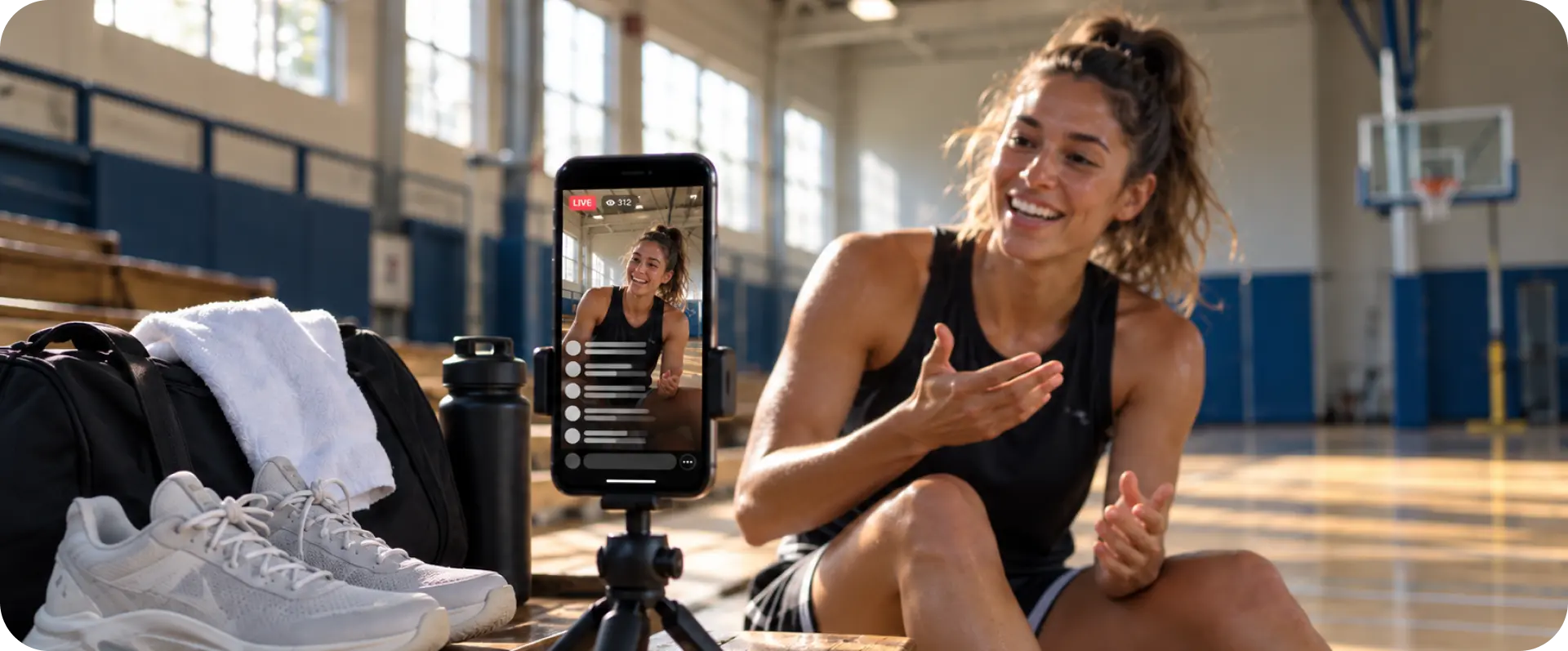
Traditional athlete endorsements are long contracts built around exclusivity, appearances and brand association. Athlete influencer marketing is built around content the athlete publishes for their own audience, in shorter deals that are easier to measure. The two overlap, and big names often do both.
The practical difference is measurement. An endorsement is judged on awareness and fit. A sponsored reel can be judged on reach, engagement, clicks and cost per result within days.
Entry points differ too. A brand can test one sponsored post with one athlete, with no multi-year commitment. Traditional deals usually involve an agent, who typically takes 10 to 20 percent of an endorsement contract, per Chron.
Nobody publishes a reliable athlete-specific rate card, and general influencer rate cards disagree widely. For micro-influencers, roughly 10,000 to 100,000 followers, published per-post ranges include $100 to $1,000 from Neal Schaffer, $500 to $5,000 from ContentGrip and $250 to $1,500 from Elev8or's 2026 rate report. Treat all three as rough, and get quotes.
That spread tells you something. Price depends on more than follower count. Engagement rate, audience country, format, usage rights and exclusivity all move it.
A better budgeting tool is cost per engagement. Add up likes, comments, shares and saves, then divide the fee. A $400 post that earns 2,000 engagements costs $0.20 each. Compare that number across athletes instead of comparing follower counts.
For performance goals, swap in cost per click or cost per lead.
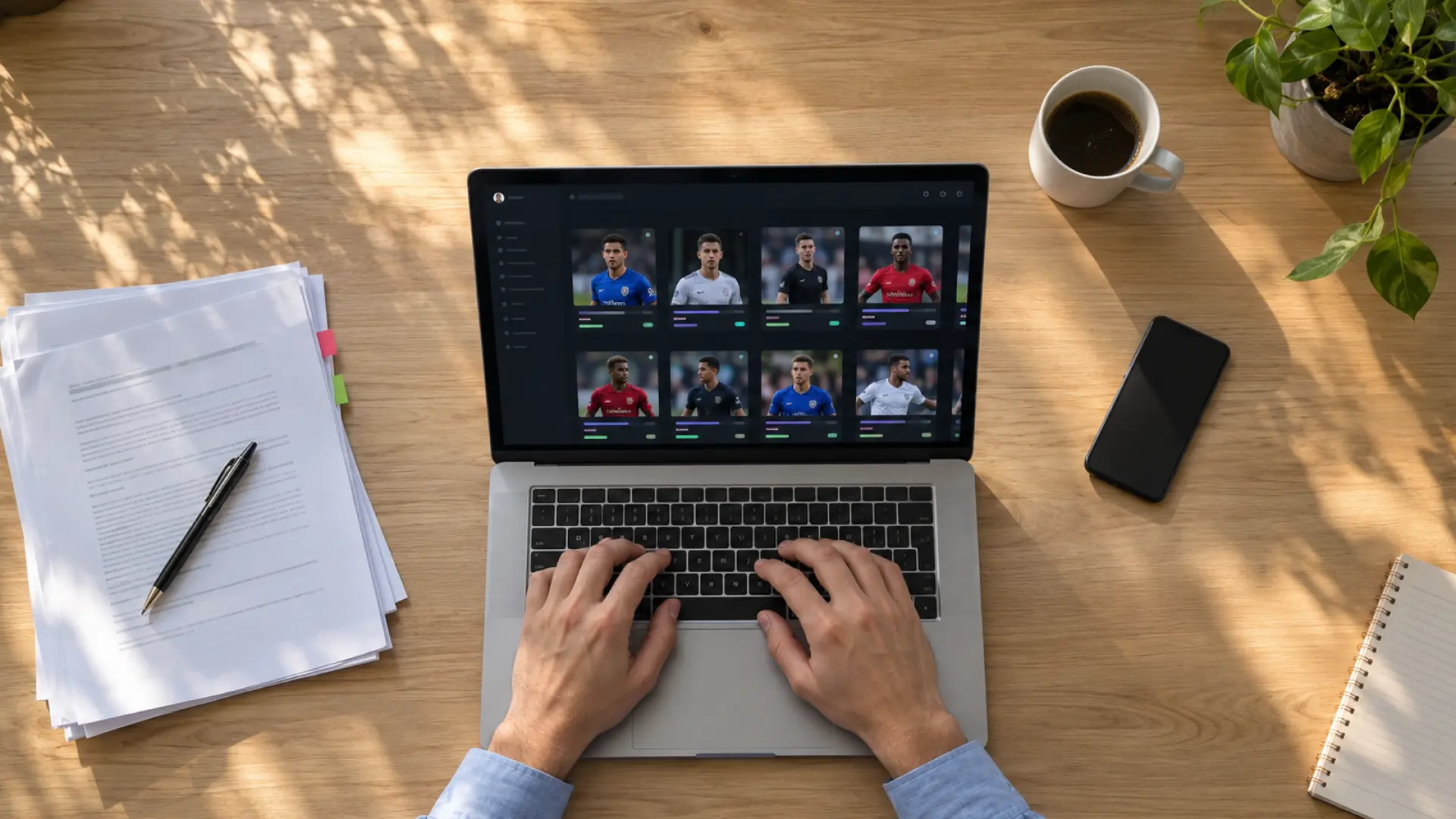
Check five things before you sign: current club or team status, engagement rate, audience location, past sponsor posts and disclosure habits. A big following with weak engagement or the wrong country is a poor buy.
Be wary of reach figures quoted in a DM. Ask for platform analytics instead.
Three formats cover most briefs:
Start small. Run the same brief with three athletes, compare cost per engagement, then put more budget behind the one that earned it.
Keep the first one small: three athletes, one brief, four weeks. The aim isn't to win. It's to learn which athlete, format and message earns the cheapest engagement, so the second campaign spends smarter.
In the US, yes. The FTC says influencers must clearly disclose a material connection to a brand, such as payment or free product, and the disclosure has to sit with the endorsement itself rather than in a profile or at the end of a post. Other countries have their own rules, so check each market you run in. The FTC's guidance is the place to start.

Put disclosure in your brief and check posts before they go live. The Endorsement Guides apply to advertisers as well as endorsers, as Morrison Foerster's summary notes.
Match the metric to the objective. Judge awareness on reach and impressions, engagement on reactions and comments, traffic on clicks and CTR, and leads or sales on conversions. A campaign built for awareness will look weak if you grade it on sales.
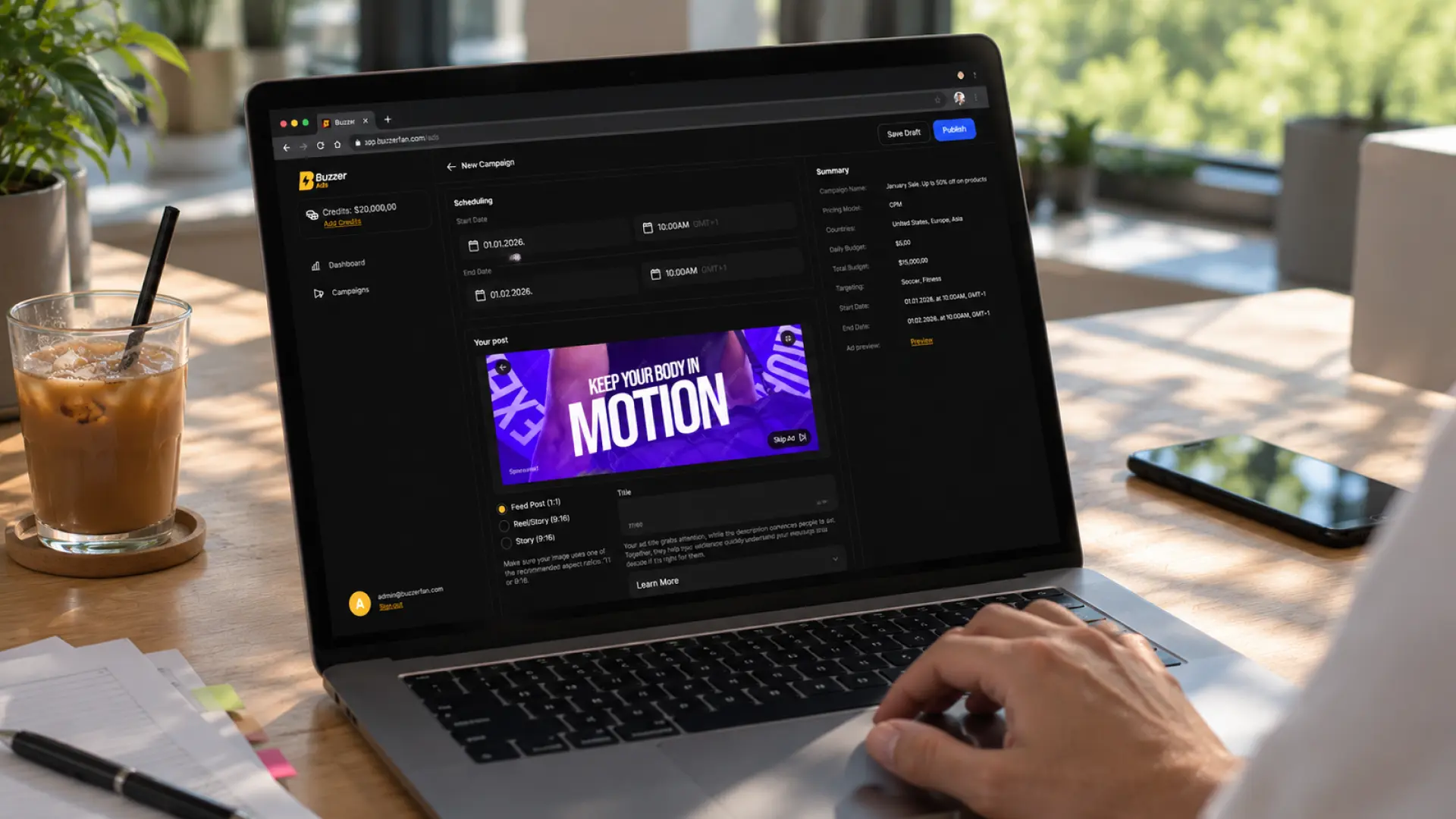
On Buzzer Ads, the objectives are Awareness, Engagement, Traffic, Leads, App Growth and Sales. The Ads Console reports spend, impressions, clicks, CTR, reactions and results by country, and Sponsored Athlete Content is one of the placements.
To run athlete content inside a measured campaign, see how Buzzer Ads works. Athletes can build a profile with the Athlete Badge. Related reading: sports influencer marketing and agency vs. platform.
Athlete influencer marketing is when a brand pays an athlete to promote a product to their own audience, on the athlete's own channels. The format can be a post, a reel, a live stream or a longer ambassador deal.
It varies, and no reliable athlete-specific rate card exists. For micro-influencers, published per-post ranges run from about $100 to $5,000 depending on the source. Ask for quotes and compare cost per engagement.
No. Engagement and audience fit matter more than raw followers. IMH found 39 percent of brands named nano-influencers as their most likely category partner in 2025, as reported by ContentGrip.
In the US, yes. The FTC expects a clear disclosure of any material connection, placed with the endorsement itself. Other countries have their own rules, so check each market.
Run one sponsored post or reel with two or three athletes using the same brief. You can then compare cost per engagement and scale the winner.



.png)
.png)
%20(1).png)

%20(1).png)
.avif)
.png)


