


Buzzer Social Media Platform FZCO
Sheikh Rashid Tower, Floor 04,
Premises 407-FZF 131,
Dubai, United Arab Emirates
+971 58 296 9368




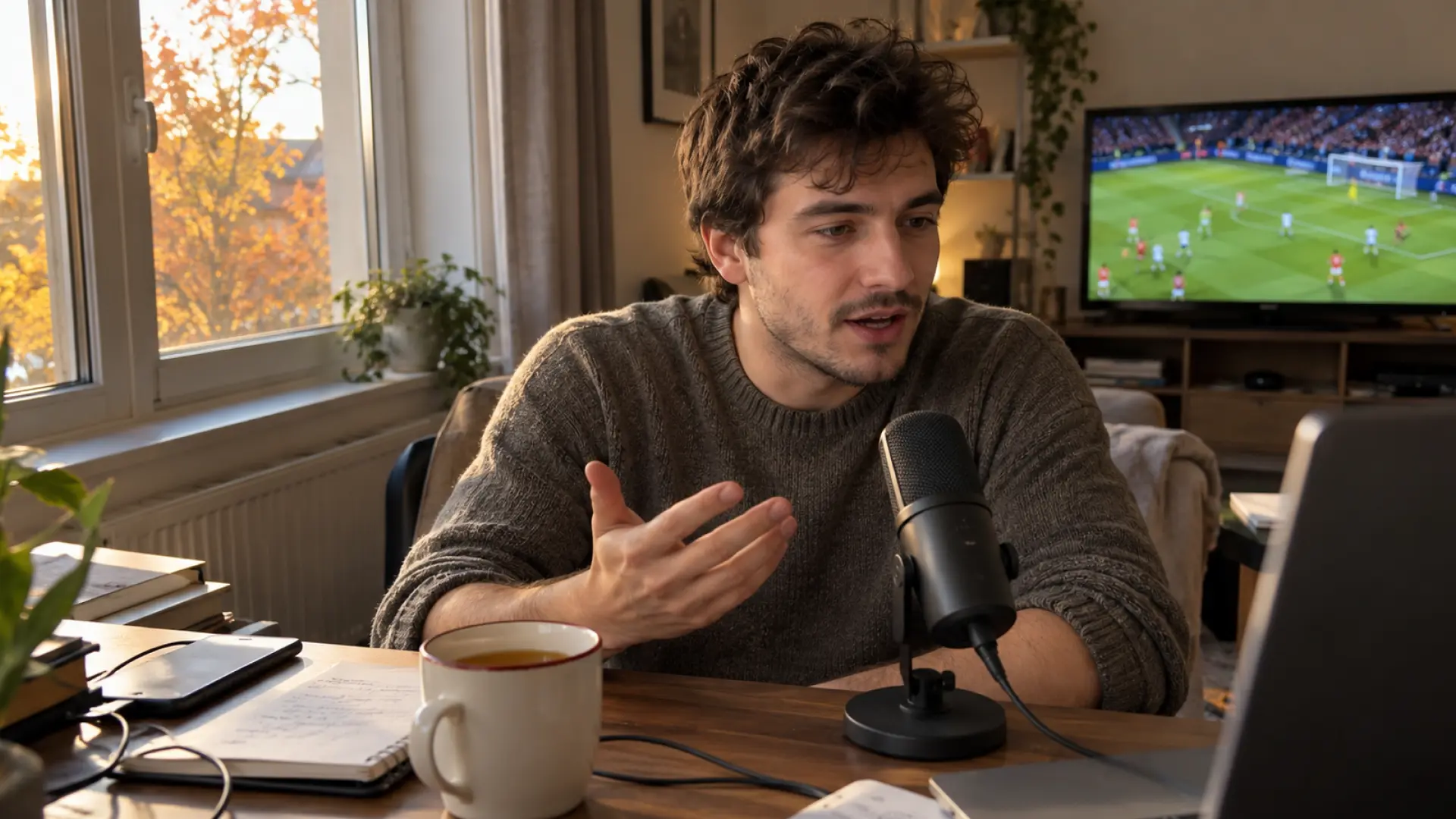
TL;DR: Sports influencer marketing is paying sports-focused creators to promote your product to their audience. The creator doesn't have to be an athlete: commentators, trainers and fan accounts count too. Build a shortlist by sport and market, check engagement and audience location, write a clear brief and judge results against one objective.
Sports influencer marketing is paying sports-focused creators to promote a product to their audience. Say "sports influencer" and most people picture an athlete. That's one of four types, and often not the best fit for your brief.
The category sits inside a large market. Influencer Marketing Hub (IMH) estimates global influencer marketing at $32.55 billion in 2025, according to ContentGrip's roundup of its data.
Sports creators are worth a separate look because their audiences arrive sorted by sport, and often by team or league. You spend less time guessing who might care.
This guide covers who counts as a sports influencer, how to build a shortlist and a brief, which formats to use and how to measure the result.
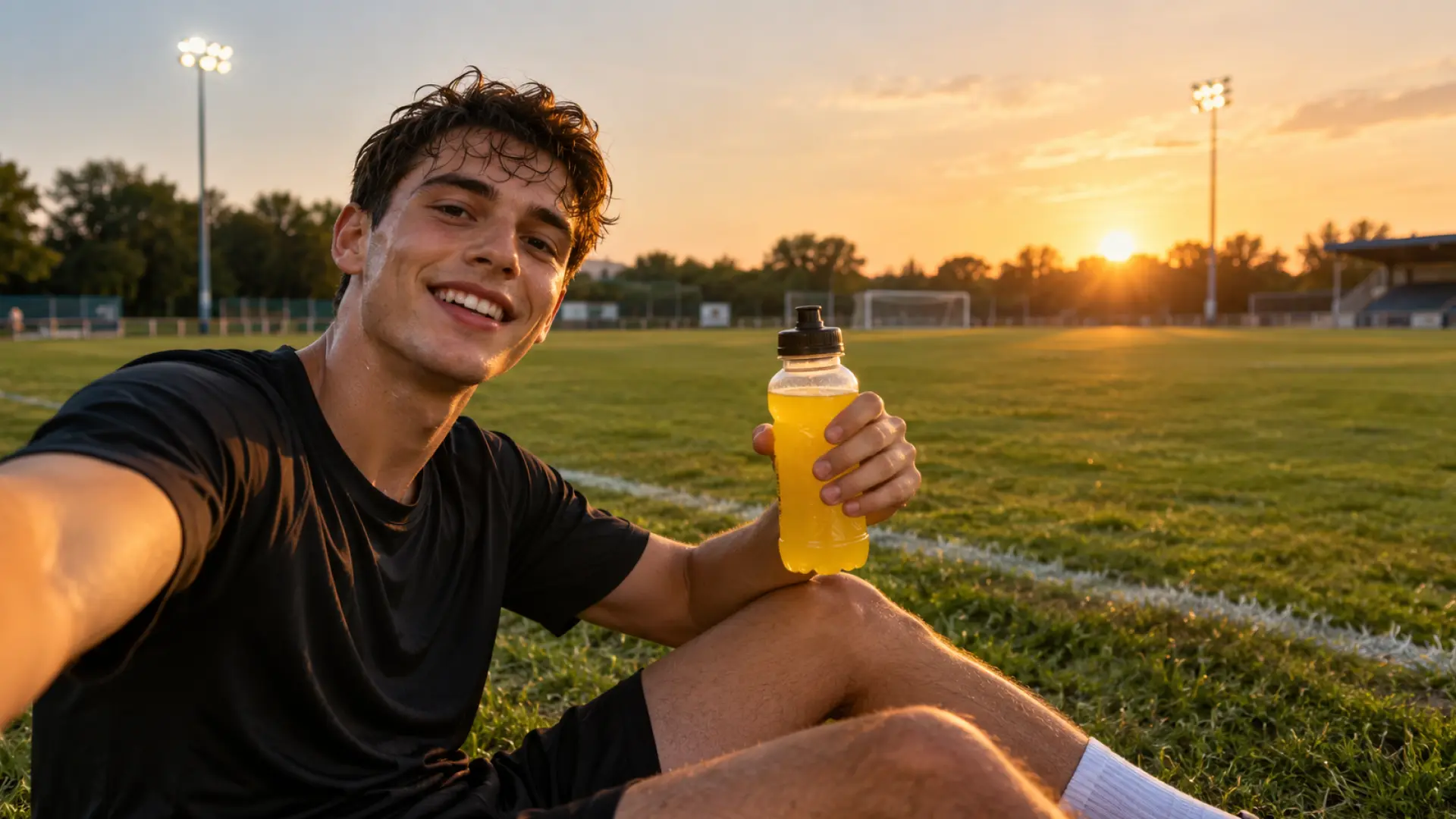
Sports influencer marketing is when a brand pays a creator whose content and audience center on sport to promote a product or service. The creator might compete, coach, comment or simply run the biggest fan account for a club. What matters is the audience they've built around sport.
That makes it wider than athlete influencer marketing, which covers athletes only.

Four types make up most of the category, and each pulls a different crowd:
A single campaign can mix types. A launch might pair one athlete with two commentary creators and a fan account.
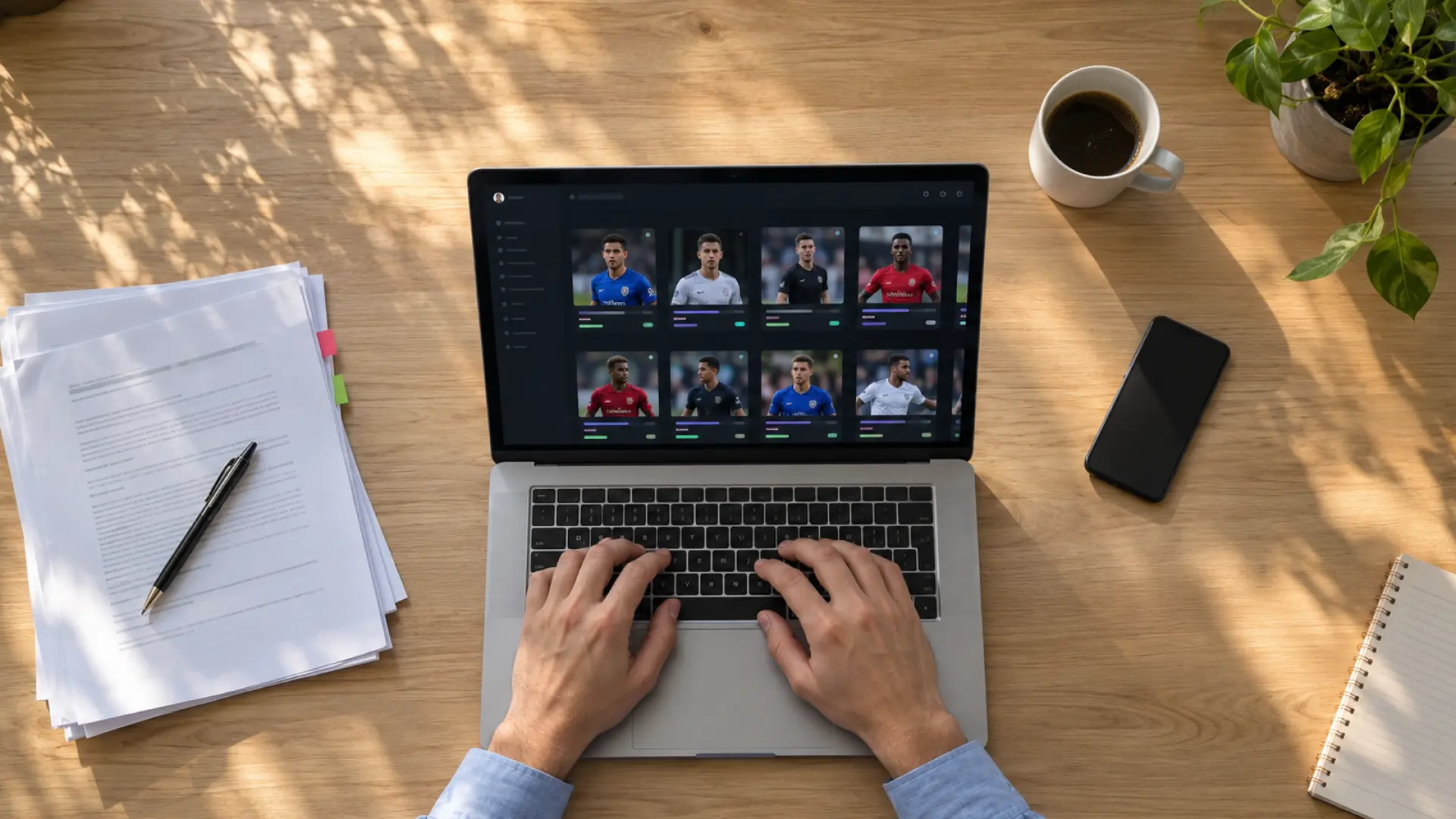
Start with the sport and market, then work down to 15 or 20 names across the creator types you want. Check engagement, audience country and recent sponsored posts for each, and cut the list to five before you make contact.
Test with small paid posts before you commit to anything long.
A good brief covers seven things: the objective, deliverables, dates, usage rights, disclosure, approvals and the metric you'll judge it by. Put them on one page. Creators say yes faster to a clear brief, and your results are easier to compare.
Short-form video suits sport because the moments are already visual: a training clip, a reaction, a highlight breakdown. Live streams fit match days and tournaments, when the creator's audience is watching anyway. Static posts and long-form pieces still work for ambassador deals where you want steady visibility rather than one spike.

Pick the format from the objective, not the other way round. A reel for reach, a live stream for engagement, an ambassador series for sustained awareness.
Say you're launching a sports app before a major tournament and your objective is awareness. You might book one athlete for a training reel, two commentary creators for live reactions on match days and one fan account for a pinned post. Each gets the same brief, a different format and its own tracked link or code.
Afterwards, compare reach and cost per engagement by creator type. Whichever type pulls ahead tells you where to put the next round of budget.
Three mistakes cause most of the waste: choosing by follower count, writing a vague brief and skipping disclosure. All three are cheap to fix.
Pair each objective with one metric. Awareness: reach and impressions. Engagement: reactions and comments. Traffic: clicks and click-through rate. Leads or sales: conversions and cost per result. Don't grade an awareness campaign on sales.
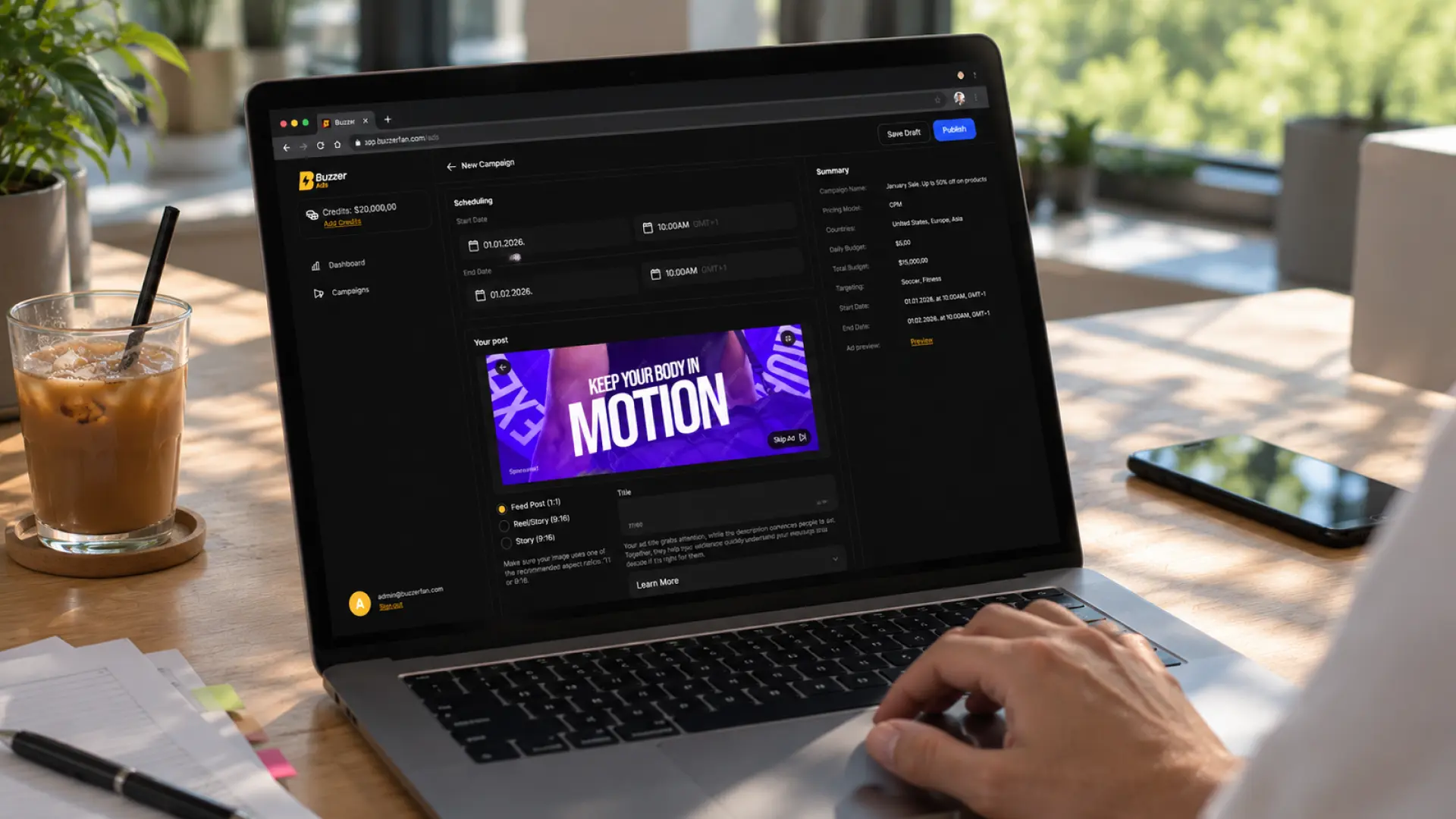
If you run creator content through Buzzer Ads, the Ads Console reports spend, impressions, clicks, CTR, reactions and performance by country, and the campaign objectives mirror the list above: Awareness, Engagement, Traffic, Leads, App Growth and Sales.
Hire one when the campaign spans several markets, needs legal handling or has too many creators for your team to manage. Run it yourself when you work with a handful of creators and know your audience well. The full comparison is in our guide to sports influencer marketing agencies vs. platforms.
To plan a measured, sports-first campaign yourself, see how Buzzer Ads works. Athletes who want to build a profile can start with the Athlete Badge.
Sports influencer marketing is when a brand pays a creator whose content and audience center on sport to promote a product or service. The creator can be an athlete, a coach, a commentator, a trainer or a fan account.
Not quite. Athlete influencer marketing covers athletes only. Sports influencer marketing is the wider category, which also includes commentators, fitness creators and fan accounts.
Define your sport, country and audience, then collect 15 to 20 candidates across creator types. Check engagement, audience location and recent sponsored posts, ask for platform analytics, and test with small paid posts.
It varies widely, and published rate cards disagree. Price depends on engagement, audience country, format and usage rights, so ask for quotes and compare cost per engagement. Our athlete influencer marketing guide lists the ranges.
Pick one metric per objective: reach for awareness, reactions and comments for engagement, clicks for traffic, and conversions for leads or sales. Agree it before the campaign starts.


.png)
.png)
%20(1).png)

%20(1).png)
.avif)
.png)


