


Buzzer Social Media Platform FZCO
Sheikh Rashid Tower, Floor 04,
Premises 407-FZF 131,
Dubai, United Arab Emirates
+971 58 296 9368




TL;DR: An athlete marketing platform is an online marketplace where brands and athletes agree paid partnerships directly, with offers, messaging and payments in one place. Team USA's Athlete Marketing Platform (AMP), built by Opendorse, is the best-known example. Agents typically take 10 to 20 percent of an endorsement contract and negotiate for the athlete. A platform charges its own fees and leaves the negotiating to you.
Ask most brands how an athlete partnership gets made and the answer is "through an agent." For the biggest names, that's right. For everyone else it's slow, pricey and often not worth an agent's time, which is the gap the athlete marketing platform fills.
The clearest example is Team USA's own. Since its pilot launched in March 2021, more than 1,000 Team USA athletes have enrolled in the Athlete Marketing Platform (AMP), earning an average of over $2,000 each, with more than $3.1 million in deals going through it, according to the USOPC.
Those are modest deals, and that's the point. They're the ones no agent builds a business on.
Here's what an athlete marketing platform actually is, how Team USA's version works, how it compares with hiring an agent, and what to check before you commit.
An athlete marketing platform is an online marketplace where brands and athletes agree paid partnerships. Brands find athletes, send offers, settle terms and pay inside the same tool. The platform makes the introduction. It doesn't represent either side.
Most do three jobs:
Opendorse, the NIL marketplace and technology company, built Team USA's platform, which makes it a useful case to study.
AMP is a digital marketplace that connects Team USA athletes with Team USA corporate partners. The USOPC describes the division of labor plainly: "AMP makes the connection, and the athlete negotiates the payment and terms."
In practice, an approved brand builds an offer in a deal tool and pays through the platform, while Opendorse processes the payments. Brands pay a transaction fee on each deal activity that includes a payment, according to AMP's deal terms. Conversations with athletes run through the platform's chat.
The pilot produced some concrete deals. Toyota signed more than 200 athletes to one-year endorsements through AMP, and United sponsored social posts from 80 athletes on their flights to and from Tokyo, per Team USA's archived AMP page.
Two details matter if you're studying this model. Access is limited to USOPC-authorized partners, so it isn't a marketplace any brand can simply join. And the USOPC approves creative on athletes' behalf, because its trademarks are involved.
An agent represents the athlete. They negotiate for them and typically take 10 to 20 percent of an endorsement contract, according to Chron. A platform represents nobody. It supplies the marketplace, messaging and payment tools, and charges its own fees.

That shifts the work. With an agent, someone else sources and negotiates your deal. On a platform, you do. Team USA's model says so outright: the athlete negotiates.
It also changes which deals get done. At 15 percent, a $500 sponsored post earns an agent $75, which is rarely worth a phone call. A platform can handle it, because the tool does most of the admin.
Neither replaces the other. A multi-year contract with exclusivity still deserves an agent or a lawyer.
Check five things: who is on the platform, what it costs, who is a party to the deal, who approves content and rights, and how sponsored posts are disclosed. If a platform can't answer all five clearly, you're looking at a directory with a chat box.
1. Who's on it. AMP lists Team USA athletes only. Other platforms cover college athletes or creators. Match the roster to your sport and market.
2. What it costs. Ask who pays, when, and on what. On AMP, brands pay a transaction fee on each paid deal activity.
3. Who's a party to the deal. On AMP, Opendorse processes payments but isn't a party to the deal agreement, and the USOPC isn't either unless it is the brand. Your contract is with the athlete.
4. Who approves content, and for how long. Get usage rights and approval steps in writing.
5. How the post is disclosed. In the US, the FTC expects a paid endorsement to be clearly disclosed. Rules differ by country, so check each market you run in.
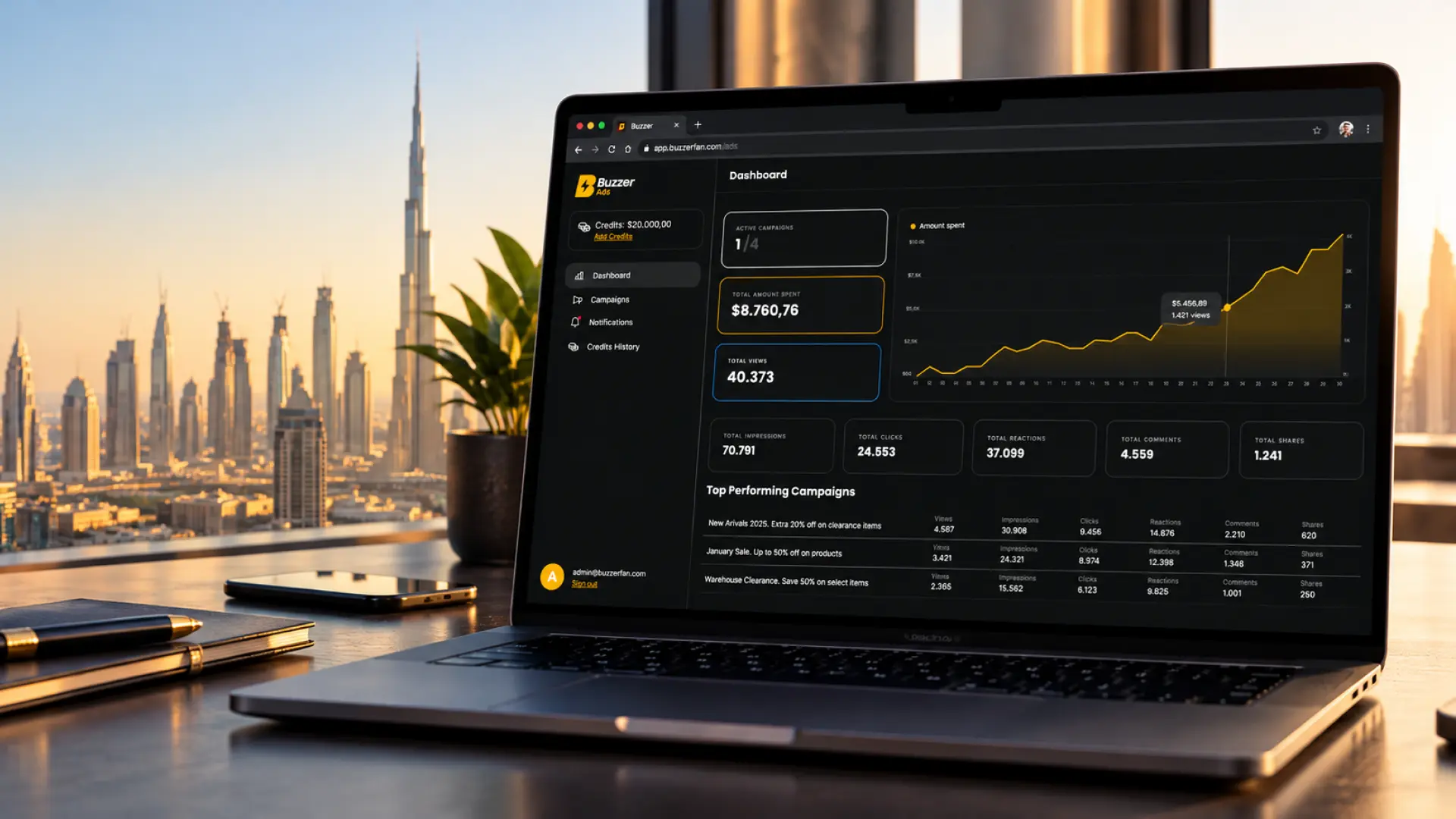
Buzzer Ads isn't a roster marketplace like AMP, so it's worth being clear about what it does. It's a self-serve sports advertising platform: brands pick an objective, target sports fans by country, interest and fan behavior, set a budget and pay by CPM, CPC or CPL.
Athlete content sits inside that. Sponsored Athlete Content lets brands work directly with athlete creators, alongside native placements and Arena live-stream sponsorships. Results land in the Ads Console: spend, impressions, clicks, CTR, reactions and performance by country.
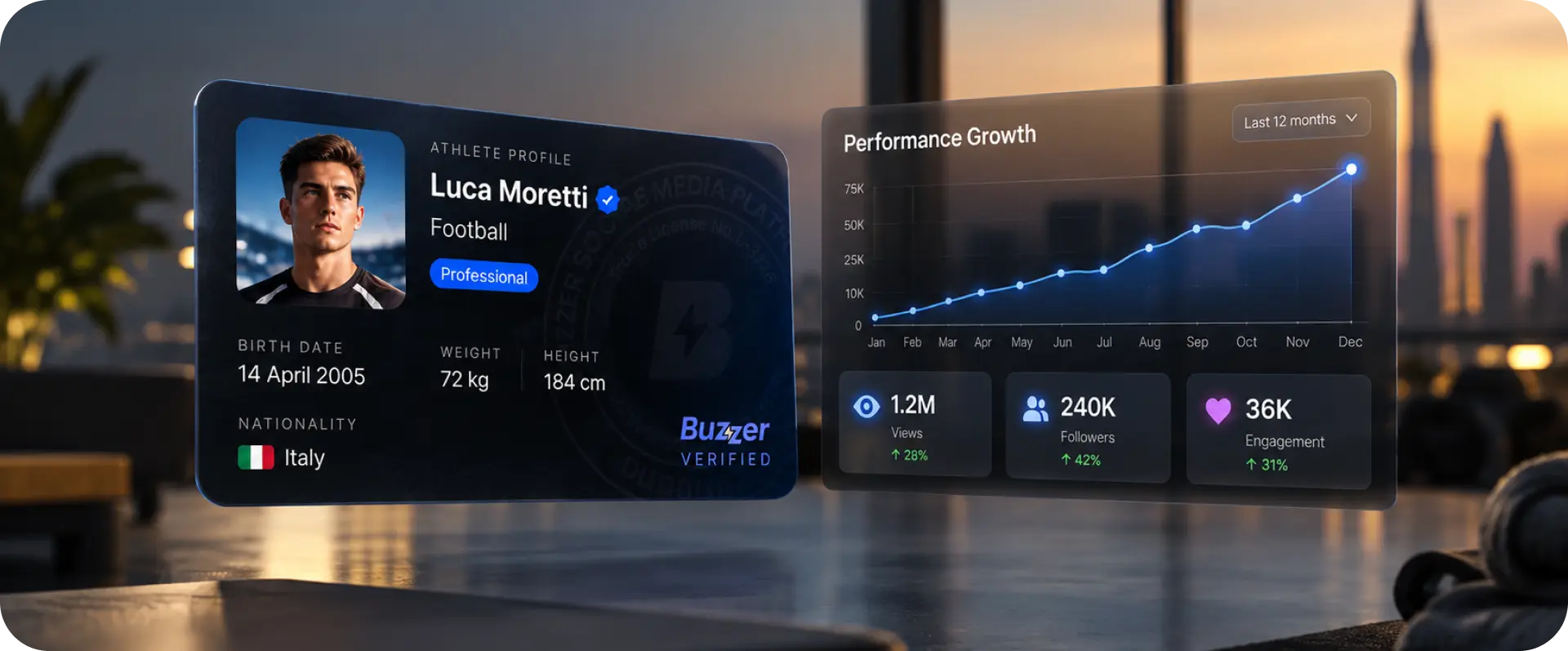
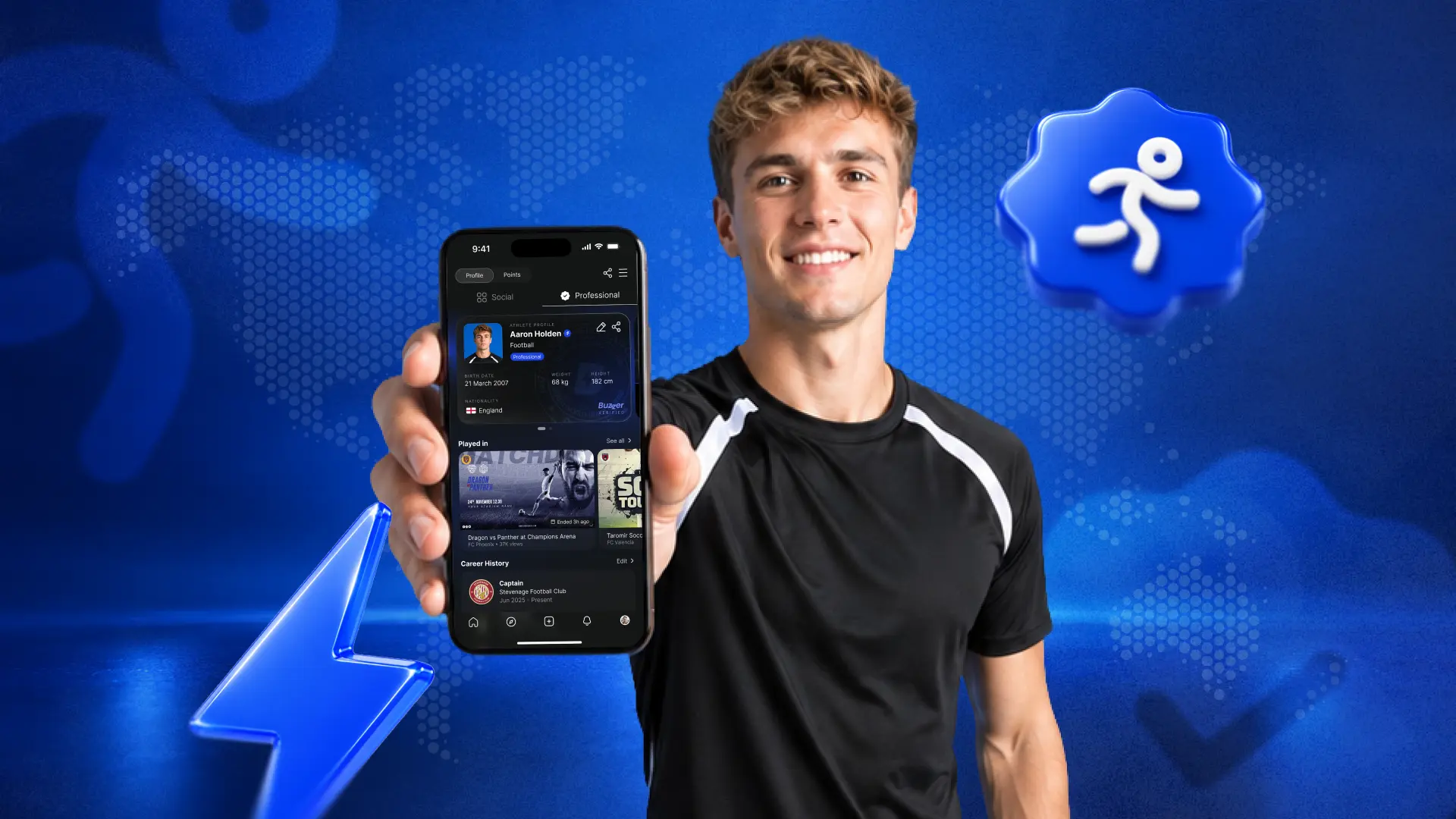
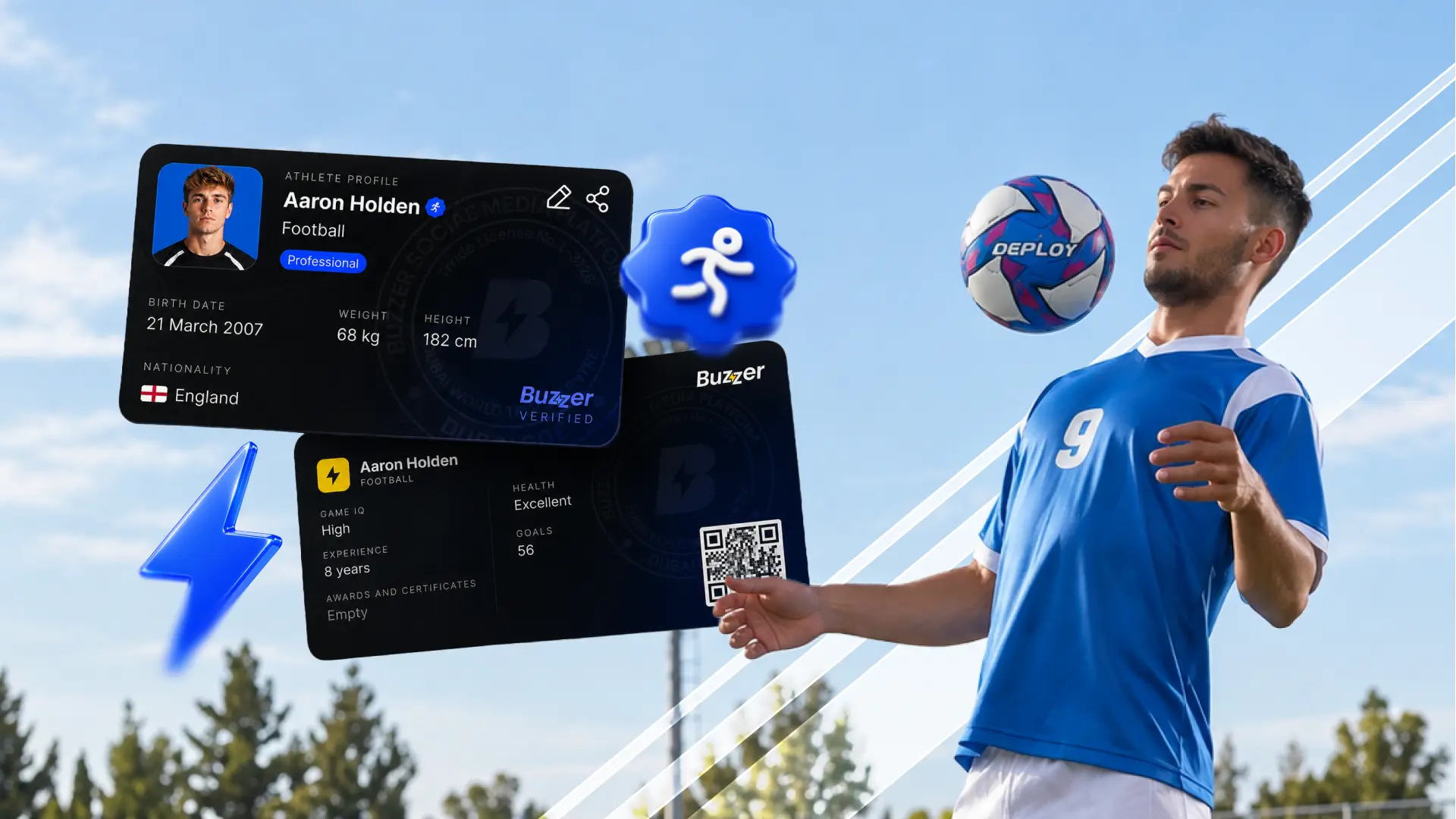
On the athlete side, players build a digital sports profile through the Athlete Badge.
Use a platform if you want many smaller partnerships, quick turnaround and control of the brief. Use an agent when the deal is large, long or legally tangled. Plenty of brands do both and test a platform with a handful of small deals first.
Whichever route you pick, track cost per result from the first campaign. To see how a measured, sports-first campaign works, explore Buzzer Ads. If you're an athlete, you can build your profile with the Athlete Badge. For the creator side of this topic, read our guide to athlete influencer marketing.
An athlete marketing platform is an online marketplace where brands and athletes agree paid partnerships directly. Offers, messaging and payments happen in the same tool, and the platform doesn't represent either side.
AMP is a digital marketplace run by the USOPC that connects Team USA athletes with Team USA corporate partners. According to the USOPC, more than 1,000 athletes have enrolled since the March 2021 pilot, earning an average of over $2,000, with more than $3.1 million in deals going through it. Opendorse built it.
Agents typically take 10 to 20 percent of an endorsement contract, according to Chron. Platform fees vary. On Team USA's AMP, brands pay a transaction fee on each paid deal activity, so ask for a fee schedule before you start.
For anything large or long, yes. On AMP, Opendorse processes payments but isn't a party to the deal agreement, so your contract is with the athlete. A platform helps you find and pay people. It doesn't replace legal advice.
Not always. AMP only admits USOPC-authorized partners. Open marketplaces work differently, so check eligibility, roster and fees before you commit.



.png)
.png)
%20(1).png)

%20(1).png)
.avif)
.png)


