


Buzzer Social Media Platform FZCO
Sheikh Rashid Tower, Floor 04,
Premises 407-FZF 131,
Dubai, United Arab Emirates
+971 58 296 9368
TL;DR: Start with your goal, then pick the format. Native feed ads suit steady reach, video suits storytelling, and live-stream sponsorships suit match-day moments. Test two formats side by side on a small budget before you scale either one.
Most brands choose between sports ad formats by habit. They pick video because a competitor did, or an image because it is cheap to make. Then they judge the result by views, which tells them almost nothing.
A better order is goal first, format second, price third. This guide walks through the formats a sports brand can run on Buzzer Ads, what each one does well and where it falls short. You also get a goal-to-format table and a simple test plan for your first month.
Buzzer Ads lists four core formats and two Buzzer-specific placements. The core four are In-Feed Native Ads, Image and Carousel, Video and Reels, and Stories. Then come two placements: Arena Live-Stream Sponsorships and Sponsored Athlete Content. The Buzzer Ads page also lists Boost Post, a way to promote a post you already made without building a full campaign.
You can pay for these under three pricing models: cost per thousand impressions (CPM), cost per click (CPC) and cost per lead (CPL). Our guide to CPM vs CPC vs CPL for sports brands explains how to choose between them.
Here is what each format is, in plain terms.
Match the format to what you want people to do next. Buzzer Ads lists six objectives: Awareness, Engagement, Traffic, Leads, App Growth and Sales. Not every format works well for every objective, so use this as a starting point.
Each format has a job. Here is where it earns its place and where it struggles.
Native ads blend into the feed, so they feel less like an interruption. That makes them a sound default for traffic and leads. The weakness is that a bland creative disappears. If your first line does not name a fan interest, scrolling thumbs will skip it.
Use them when you have a clear offer and one link to click.
A single image is the cheapest creative to make. A carousel gives you several frames to tell a short story, such as a kit range or a camp schedule. The trap is a carousel where only the first card matters. Put the offer on card one and the proof on card two.
Short vertical video suits sport, because sport is movement. A boot brand can show a strike, and a club can show a tryout day. Open with the action in the first second. Put the brand name in a caption, not a long intro. Our guide to a football highlight video shows the same opening-clips logic.
Stories fill the whole screen, so one message gets full attention. That suits time-limited offers. A match-day discount, a ticket drop or a "last places left" camp all fit. Keep one message per frame.
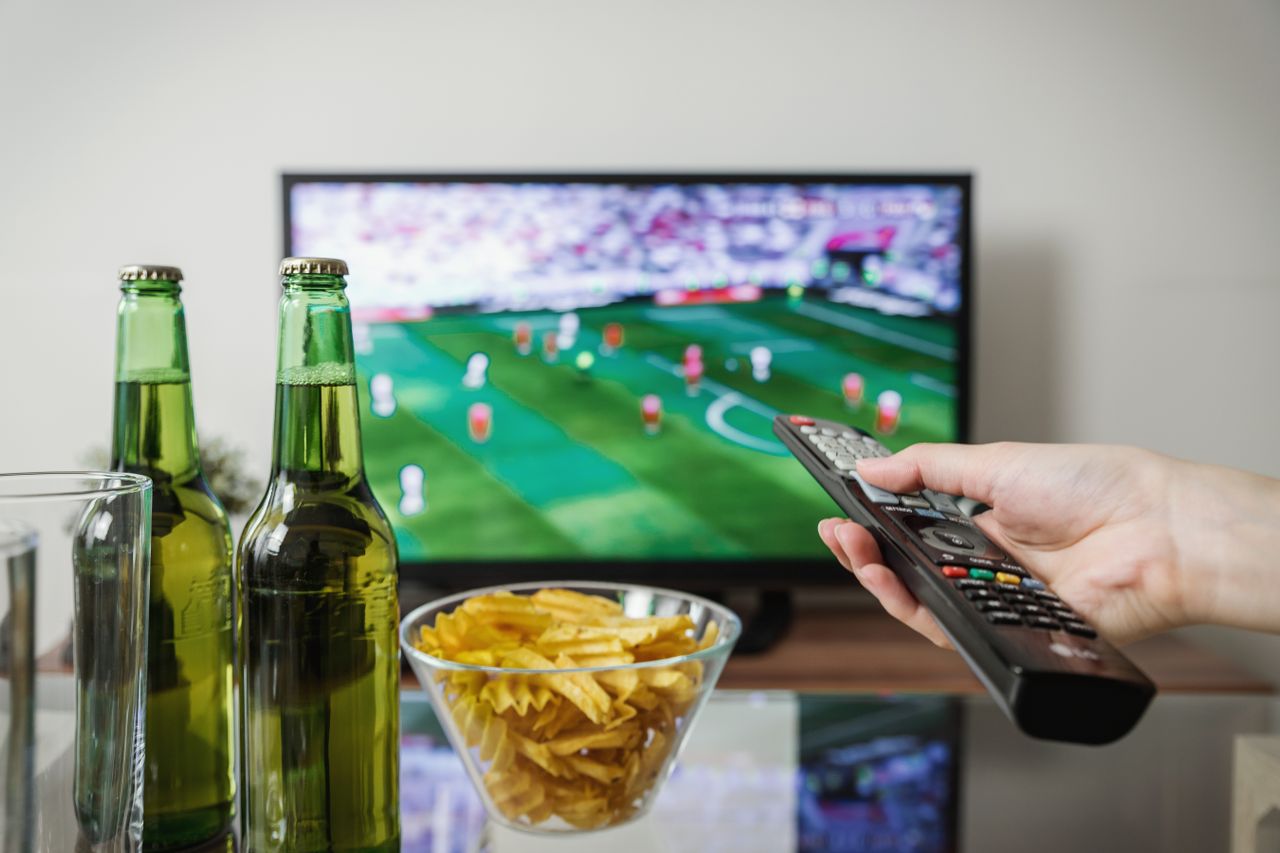
The Ads page describes this placement as brand presence around live sports streaming. It fits brands that want to be present at a moment when fans are paying attention. It is also the least flexible format, because the match decides the timing. Ask the platform which matches are available, what the sponsor sees on screen and what reporting you receive. The Ads page does not spell those out.
Content built around an athlete borrows the athlete's credibility. It suits products an athlete would really use. Check fit before you commit. A mismatch reads as an advert and fans spot it quickly. For background on how brands pick athletes, see our athlete influencer marketing guide.
Boost Post promotes a post you already published. It is a quick way to test a message, since the creative already exists. Because it skips the full campaign setup, treat it as a test and not as a launch.
Run two formats against each other for the same goal, same audience and same dates. Change only the format. Then compare the numbers that match your goal. Here is a four-week plan.
If you need to set up the campaign itself, read how the Ads Console works. For the wider picture of self-serve buying, start with our guide to the self-serve advertising platform.
Measure what the goal asks for. Views can mislead, so keep them in the background.
If your numbers look odd, change the creative first. If clicks are cheap but nobody acts, fix the landing page or the offer.
Most format mistakes come from copying someone else's plan. Check yours against this list.
Buzzer is a sports-only app with more than 7 million monthly users in 177 countries, so your ads sit next to fan content, not general browsing. The Ads page lists Sports-First Targeting, built on sports affinities, interests and fan behaviour, and Global Geo Delivery across its 177-country footprint. Budgets take a daily limit and a total limit, and agencies can manage several clients in one dashboard.
To compare options before you commit, read our guide to sports sponsorship platforms for brands.
Pick one goal and two formats, and set a budget you are happy to learn from. Then apply through the Ads Console, and read more on the Buzzer Ads page.

The core formats are native feed ads, image and carousel ads, short video, and Stories. Sports platforms often add live-stream sponsorships and athlete content. Buzzer Ads lists all six, plus a Boost Post option.
A single image or a boosted post is the cheapest to make and the quickest to launch. Short video can earn more attention, but it costs more to shoot. Start with one low-cost format and one video, then keep the winner.
There is no fixed answer. Short and vertical works best on a mobile feed, with the action in the first second. Check the platform's length limits before you film, because Buzzer's Ads page does not publish them.
CPM charges per thousand impressions, CPC charges per click and CPL charges per lead. Pick the model that matches your goal. Awareness fits CPM, traffic fits CPC and lead capture fits CPL.
Buzzer Ads lists Arena Live-Stream Sponsorships as a placement, described as brand presence around live sports streaming. Ask which matches are open, what the placement looks like and what reporting you get before you book.


